Justice Bhushan Ramkrishna Gavai Sworn In as India’s 52nd Chief Justice, Known for Bold Rulings on Constitutional Freedoms and Accountability
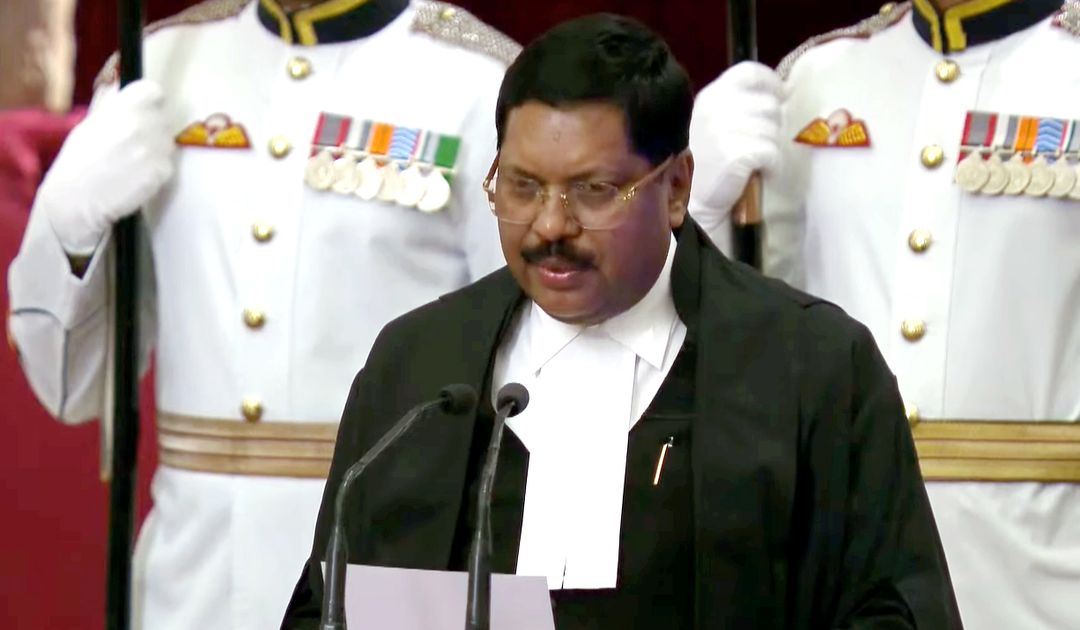
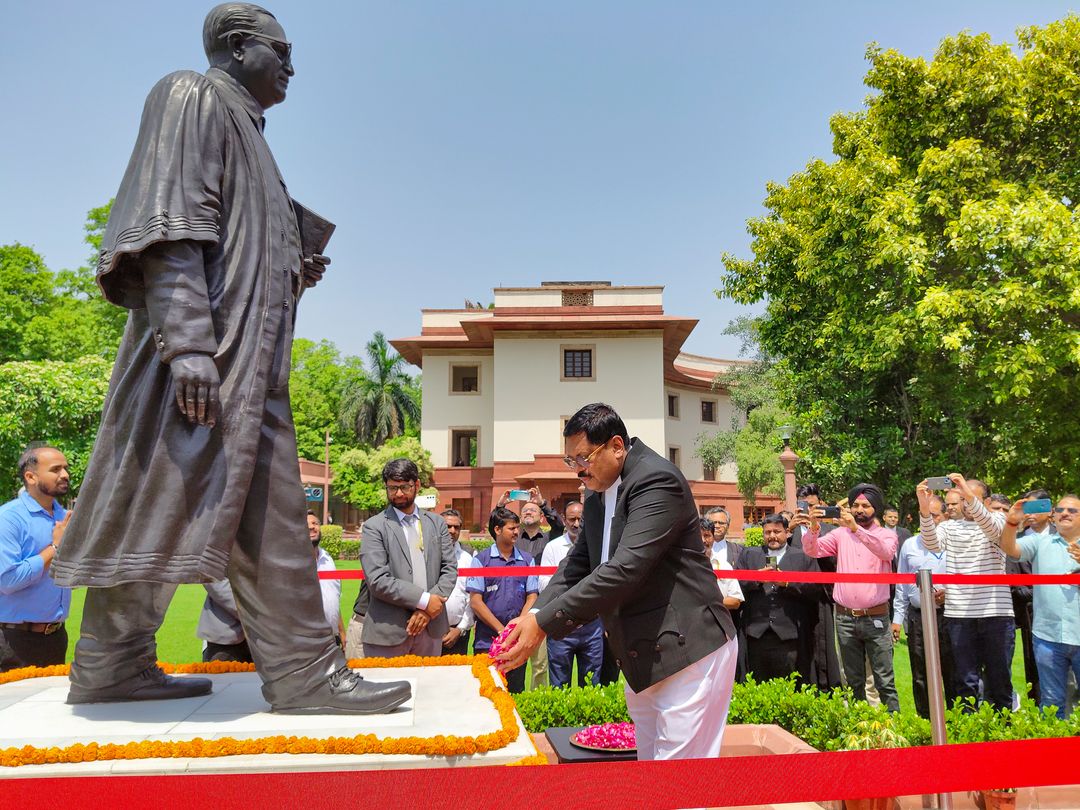
New Delhi, May 14 — Justice Bhushan Ramkrishna Gavai took oath on Wednesday as the 52nd Chief Justice of India, bringing a legacy of impactful and progressive rulings that have reshaped India’s legal landscape. From upholding the abrogation of Article 370 to laying down guidelines curbing unlawful demolitions dubbed "bulldozer justice," Justice Gavai has cemented his place as a staunch defender of constitutional values and civil liberties.Notably, Justice Gavai is the first Buddhist and the second Dalit to assume the role of Chief Justice, following Justice K G Balakrishnan. His tenure will run until November 23, 2025.
Trailblazer from Maharashtra to the Apex Court
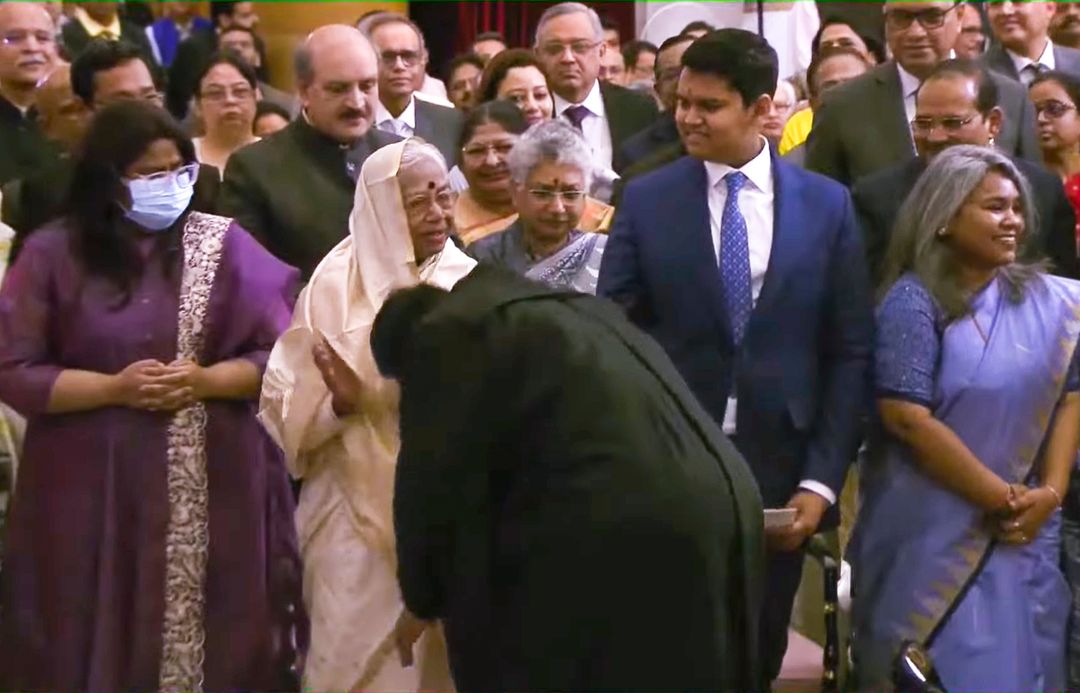
Born on November 24, 1960, in Maharashtra’s Amravati district, Justice Gavai is the son of R.S. Gavai, founder of the Republican Party of India (Gavai). He rose from modest beginnings and began his legal practice in 1985. He eventually became a public prosecutor and then a judge of the Bombay High Court. He was elevated to the Supreme Court on May 24, 2019.Following President Droupadi Murmu's swearing-in at Rashtrapati Bhavan, Justice Gavai touched his mother’s feet, marking the moment with a gesture of gratitude.
Key Verdicts That Shaped the Nation
Justice Gavai has authored nearly 300 judgments and sat on over 700 benches. His legal contributions span constitutional, criminal, civil, environmental, and administrative law. Some of his most significant rulings include:- Article 370 Abrogation: As part of a five-judge bench, Justice Gavai upheld the Centre’s decision to revoke Jammu and Kashmir's special status.
- Electoral Bonds: Played a key role in the bench that scrapped the controversial political funding mechanism.
- Demonetisation: Supported the Centre’s 2016 move to invalidate high-value currency notes in a 4:1 majority verdict.
- Bulldozer Justice: Authored a pivotal judgment requiring a show-cause notice and a 15-day response window before property demolitions, ensuring legal protections for affected individuals.
- Attempt to Rape Case: Led a bench that stayed an Allahabad High Court remark downplaying sexual assault, calling it “insensitive” and “inhuman.”
- Reservation within SCs: Supported a 6:1 verdict allowing sub-classification within Scheduled Castes for targeted upliftment.
- Freedom of Speech: Held that no additional restrictions can be imposed on public functionaries beyond what is constitutionally permitted.
Upholding Environment and Education
Justice Gavai has ruled on several environmental cases related to forest protection, tree conservation, and wildlife safety. He has also contributed to legal academia, delivering lectures at institutions like Columbia University and Harvard.Priorities as CJI
With over 81,000 cases pending in the Supreme Court, Justice Gavai faces a significant challenge in reducing judicial backlog. He will also preside over hearings related to the Waqf (Amendment) Act, 2025.Before taking office, he stated that the Constitution remains paramount and ruled out accepting any post-retirement position, signaling a commitment to judicial independence.
Appointment and Tenure
Justice Gavai’s appointment was recommended by outgoing CJI Sanjiv Khanna and formalized through a law ministry notification on April 29.With a career rooted in equity, accountability, and constitutional propriety, Justice Gavai’s leadership is expected to uphold the spirit of justice in one of the world’s largest democracies.