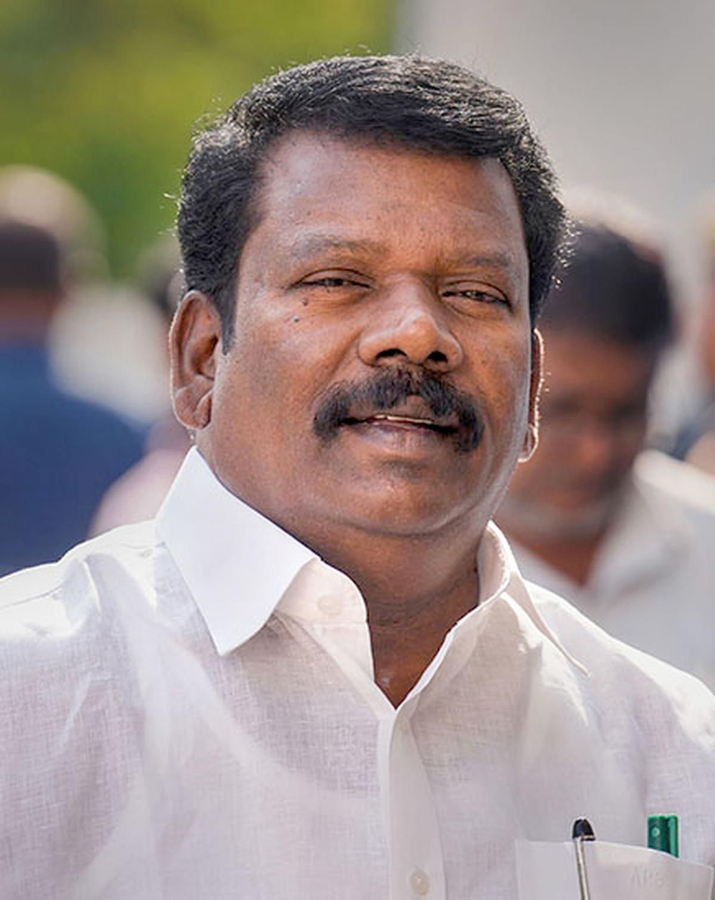
Chennai, February 16 – Tamil Nadu Congress Committee (TNCC) president K. Selvaperunthagai firmly distanced the State unit from remarks made by party MP Manickam Tagore on sharing power with the ruling Dravida Munnetra Kazhagam (DMK), asserting that party discipline and adherence to central leadership directions were paramount.
Tagore had reportedly supported a demand for a share in governance during a meeting of the Madurai South District Congress Committee in Tirupparankundram on February 15, where resolutions were passed urging the Congress to seek participation in government as part of its alliance arrangement ahead of the Assembly elections.
Responding to questions from reporters, Selvaperunthagai made it clear that alliance-related matters should not be debated publicly. “The central leadership has clearly instructed us not to discuss alliance issues in open forums. As State president, it is my responsibility to abide by that direction without deviation,” he said.
Emphasising the authority of the national leadership, he added, “Our leaders — Rahul Gandhi, Mallikarjun Kharge and K. C. Venugopal — have categorically advised party members to refrain from expressing personal opinions on alliance matters in public. Their guidance is final.”
Without naming Tagore directly in his criticism, Selvaperunthagai questioned the timing of the demand. “If there are views or concerns, they should be placed before the appropriate party forums. Raising such issues in public, especially at this juncture, only leads to avoidable confusion,” he observed.
He also pointed out that the party had already established a structured mechanism for discussions with the DMK. “A five-member committee under Girish Chodankar has been constituted to handle seat-sharing negotiations. There is a proper channel for dialogue, and that process is underway,” he said.
On whether any disciplinary action would follow, Selvaperunthagai noted, “I have been called by the high command to deliberate on the present political situation. Acting in disregard of collective decisions or established instructions does not strengthen internal democracy.”
The remarks signal that the issue is now under the consideration of the party’s central leadership, with an emphasis on maintaining unity ahead of crucial electoral negotiations.