New Schedule Announced a Day After Supreme Court Flags Frequent Breaks by Judges
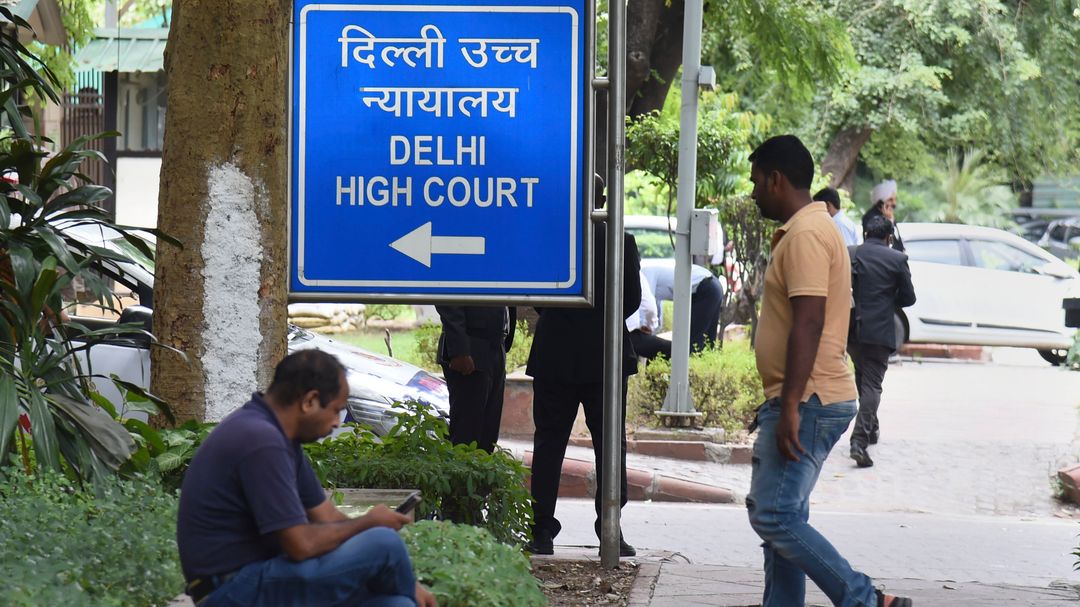
New Delhi, May 15—The Delhi High Court has officially revised the court sitting hours and lunch break timings for judges and staff, following the Supreme Court's pointed remarks over what it called "unnecessary" and frequent breaks taken by high court judges.A notification issued by the Delhi High Court on May 14 outlines the new timings, effective immediately. As per the update, the court will now function from 10:30 AM to 1:30 PM and resume after lunch from 2:30 PM to 4:30 PM. The lunch break is scheduled between 1:30 PM and 2:30 PM.
This marks a shift from the previous schedule, where sittings were from 10:30 AM to 1:15 PM and 2:15 PM to 4:30 PM, with a shorter lunch interval from 1:15 PM to 2:15 PM.
In a notable policy change, the notification also stated that the fourth Saturday of every month, previously observed as a holiday for the court registry, will now be treated as a working day.
Supreme Court's Observations Trigger Changes
The timing revision comes just a day after the Supreme Court voiced strong concerns about judicial productivity in high courts. During proceedings on May 13, a bench headed by Justice Surya Kant raised the issue of some high court judges taking frequent and prolonged breaks.“There are some judges who work very hard, but at the same time, there are judges who are unnecessarily taking coffee breaks; this break or that break,” remarked Justice Kant, adding, “What is the performance of the high court judges? How much are we spending, and what is the output? It’s high time we do a performance audit.”
He emphasized that the matter had gained attention due to the volume of complaints received regarding high court functioning and indicated that a broader review may be warranted.
Implications for Judicial Efficiency
The Delhi High Court’s move to revise its daily schedule and reduce off-days appears to address these concerns and enhance operational efficiency. The decision also aligns with growing calls for a more accountable and performance-oriented judiciary.The changes are expected to improve time utilization in courtrooms, address public perception issues, and potentially reduce case pendency through extended working hours.