February 16, New Delhi – India is set to host the India-AI Impact Summit 2026 in the national capital from February 16 to 20, marking the first-ever global AI summit to be held in the Global South.
The event is expected to draw participation from over 100 countries, including 15 to 20 heads of government, more than 50 ministers, over 40 CEOs, and around 500 global AI experts and innovators.
With over 35,000 registrations already received, the Summit reflects growing international interest in shaping the future of Artificial Intelligence through responsible governance and inclusive growth.
Rooted in the national vision of "Welfare for All, Happiness for All" and guided by the global principle of "AI for Humanity," the Summit aims to move beyond discussions and focus on translating the AI vision into measurable real-world outcomes.
The framework of the Summit rests on three foundational pillars: People, Planet, and Progress. The "People" pillar emphasizes human-centric AI that protects rights, builds trust, and ensures equitable access.
"Planet" focuses on sustainable and energy-efficient AI systems that support climate action. "Progress" aims to drive inclusive growth through AI-led innovation, productivity, and development.
Discussions will be structured around seven working groups, referred to as "Chakras." These include Human Capital, Inclusion for Social Empowerment, Safe and Trusted AI, Science, Resilience, Innovation and Efficiency, Democratizing AI Resources, and AI for Economic Development and Social Good.
The Summit is expected to deliver outcome-driven recommendations aligned with national priorities. It will focus on practical AI deployment, policy alignment, strengthening governance frameworks, regional readiness for AI-led growth, and workforce skilling.
It will also seek to foster partnerships among governments, academia, startups, and industry to promote responsible and inclusive AI development.
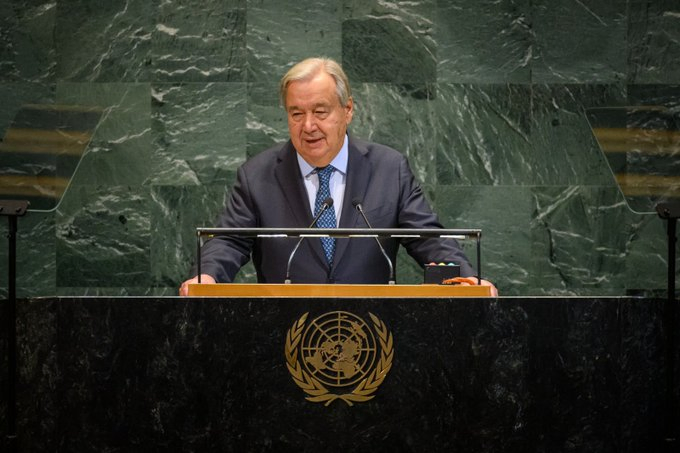
By linking policy with implementation, the India-AI Impact Summit 2026 aims to position India as a key convener in global AI cooperation, underscoring its commitment to development-oriented and people-centric artificial intelligence.