Islamabad Faces Stricter Fiscal Demands Amid Rising Cross-Border Tensions
Islamabad, May 18 – The International Monetary Fund (IMF) has imposed 11 additional conditions on Pakistan for the release of the next tranche of its ongoing bailout programme, raising the total number of conditions to 50. According to a report by The Express Tribune, the IMF also warned that escalating tensions with India could jeopardize the fiscal, external, and reform objectives outlined in the programme.Budget Approval and Fiscal Targets
One of the key new requirements is the parliamentary approval of a Rs 17.6 trillion federal budget, which must align with IMF staff-level agreements and be approved by the end of June 2025. This includes Rs 1.07 trillion earmarked for development expenditures.The IMF has also called for an increase in the debt servicing surcharge on electricity bills and the removal of the existing cap of Rs 3.21 per unit. This move is expected to shift more costs to consumers in order to offset inefficiencies in the power sector.
Rising India-Pakistan Tensions
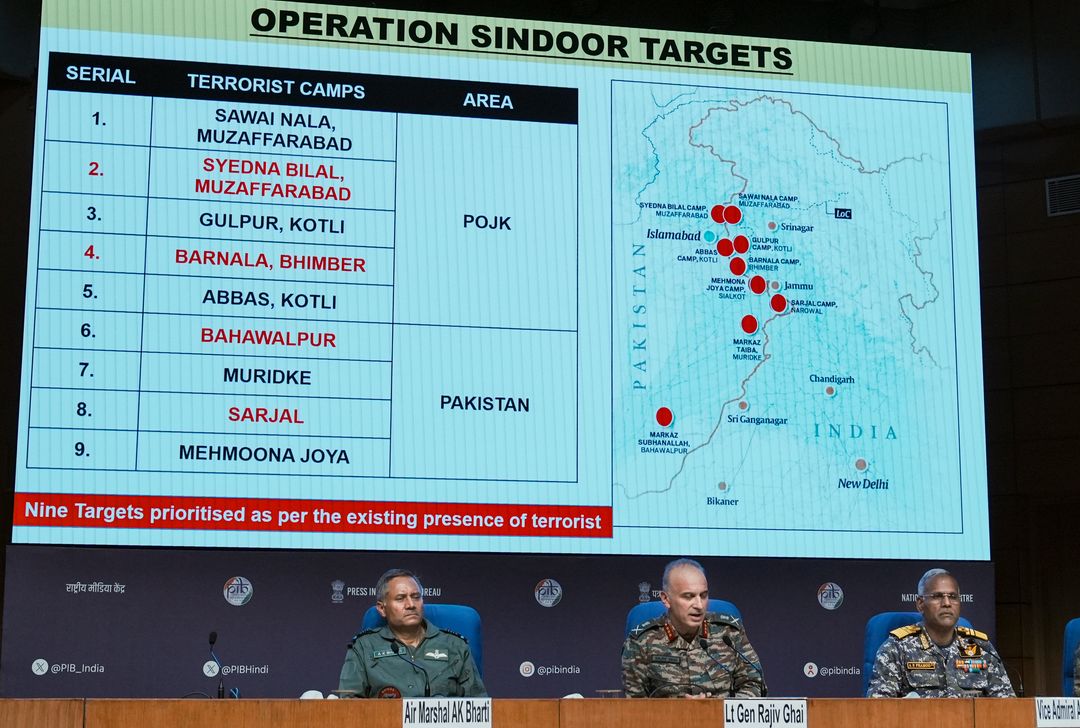
The IMF report highlighted recent cross-border hostilities as a significant risk to Pakistan’s reform path. The tensions peaked following India’s precision strikes under ‘Operation Sindoor’ on May 7, carried out in response to the Pahalgam terror attack on April 22 that claimed 26 lives. Pakistan retaliated with attempted strikes on Indian military bases on May 8, 9, and 10.An understanding between both countries on May 10 helped de-escalate the situation after four days of cross-border drone and missile exchanges. However, the IMF warned that any renewed deterioration could further impact economic stability.
Defence and Energy Spending Adjustments
The defence budget for FY26 has been projected at Rs 2.414 trillion, up by Rs 252 billion or 12%. Pakistan, however, plans to allocate more than Rs 2.5 trillion — an 18% increase — citing recent confrontations with India.In the energy sector, four new conditions have been introduced. The government must:
- Notify annual electricity tariff rebasing by July 1, 2025
- Issue gas tariff adjustment notifications by February 15, 2026
- Enact legislation to make the captive power levy ordinance permanent by end-May
- Remove the cap on debt servicing surcharge by the end of June
Provincial and Sectoral Reforms
The IMF has required all four provinces to implement a new Agriculture Income Tax framework. This includes setting up a return processing platform, taxpayer registration, a communication campaign, and a compliance plan — all by June 2025.Additionally, Pakistan must:
- Publish a governance action plan based on IMF recommendations
- Draft a financial sector strategy for the post-2027 period
- Prepare a report by year-end to phase out incentives for Special Technology Zones and industrial parks by 2035
Consumer Imports and Market Liberalisation
In a consumer-oriented move, the IMF has directed Pakistan to submit legislation by July to lift quantitative restrictions on used vehicle imports. Currently restricted to cars less than three years old, the new policy would allow imports of vehicles up to five years old.These stringent conditions reflect the IMF’s intensified scrutiny over Pakistan's economic governance and its reform commitments, amid heightened geopolitical tensions and persistent structural inefficiencies.