Floods Push Families to the Brink in One of India's Most Vulnerable Districts
Dhemaji, Assam, May 11 – The relentless onslaught of climate change in Assam's Dhemaji district has left families fractured and futures uncertain. As recurrent floods render agriculture unviable and livelihoods disappear, men are increasingly migrating to distant cities in search of work, leaving behind women to grapple with mounting responsibilities and emotional turmoil.Lakhisekhi Bara, 52, is one such woman. Displaced by the 2023 floods, she moved to Dhemaji with her daughter-in-law while her husband and son left for Chennai to work as construction labourers.
"Every time my husband calls, he asks, ‘Will our house still be standing when we return? What about the land?’ I have no answers," she shares. Once reliant on farming, the family now survives on remittances, clinging to hope that their land—their only asset—has not been swallowed by the floods.
Migration Leaves a Void in Villages
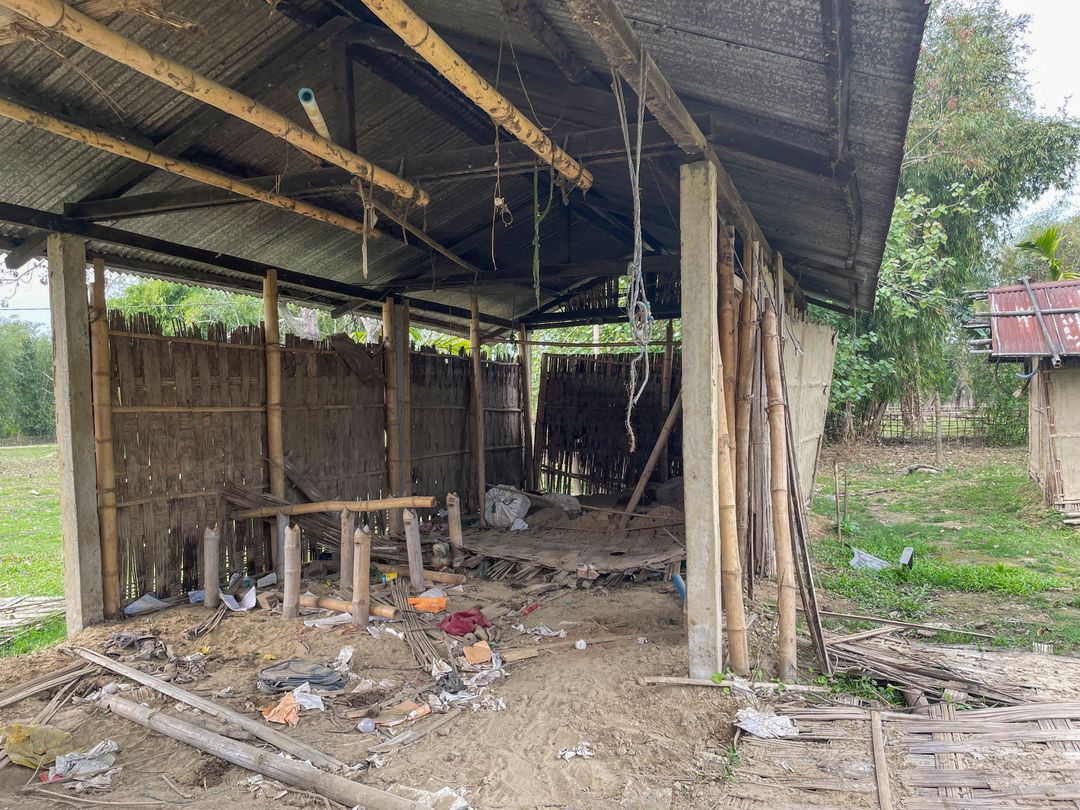
The landscape of Bara's village has changed dramatically. Working-age men are a rare sight; only children and the elderly remain. Roopa Baruah, 32, lives in a chang ghar—a bamboo stilt house—with her two young children. Her husband, who works in a Bengaluru rubber factory, has not returned home for two years."We built a pucca house under a government scheme, but it lies abandoned. It's too far and too risky during floods," she says. "Living here among other women ensures help is at hand, especially when the kids fall ill."
The majority of Dhemaji's residents live in such makeshift homes, moving further from embankments when waters rise, only to return when the floods recede. During these times, even livestock are brought indoors to save them from drowning.
Climate Change Intensifies Migration and Female Burden
A tragic reminder of the dangers of migration is Bokul, 26, who returned from Kerala after a factory accident left him disabled. He now lives with his wife and sister-in-law, helping with household chores.“Men don’t want to leave, but there’s no choice,” he says. “I couldn’t stay there after the accident, so now I help however I can.”
As men leave, women rebuild homes, care for livestock, fish, weave, collect firewood, and support children's education. This growing burden increases their vulnerability, both physically and mentally.
Academic and Environmental Experts Weigh In
Researchers from the Indian Institute of Technology (IIT) Guwahati are studying Dhemaji’s climate-induced migration, highlighting how floods cause both seasonal and permanent displacement.“Recurrent flooding destroys livelihoods, especially agriculture, which is the district's backbone,” says Professor Anamika Baruah. “Climate change is only making it worse.”
Postdoctoral scholar Debarchana Biswas notes that migration may offer financial relief but takes a heavy emotional toll. Families are split. The burden of managing two households is draining,” she says.
Environmental scientist Partha Jyoti Das highlights a critical gap in disaster risk reduction: implementation. “Despite policies on paper, vulnerable groups—especially women and the elderly—rarely get the full benefit,” he says.
Das, who leads the Water, Climate and Hazard division at Aranyak, adds that while remittances are essential, women left behind shoulder increased family responsibilities, from farming to caregiving.
Need for Adaptive Strategies
Luit Goswami of the Rural Volunteers Centre underscores Dhemaji’s acute vulnerability due to its location near the Brahmaputra and its tributaries. He warns that current strategies focus more on recovery than resilience.“The forced displacement we see is distress migration. Communities now accept it as a coping mechanism,” he says. “But the rising responsibilities of women, in ensuring food, education, and protection of children, are taking a toll on their well-being.”