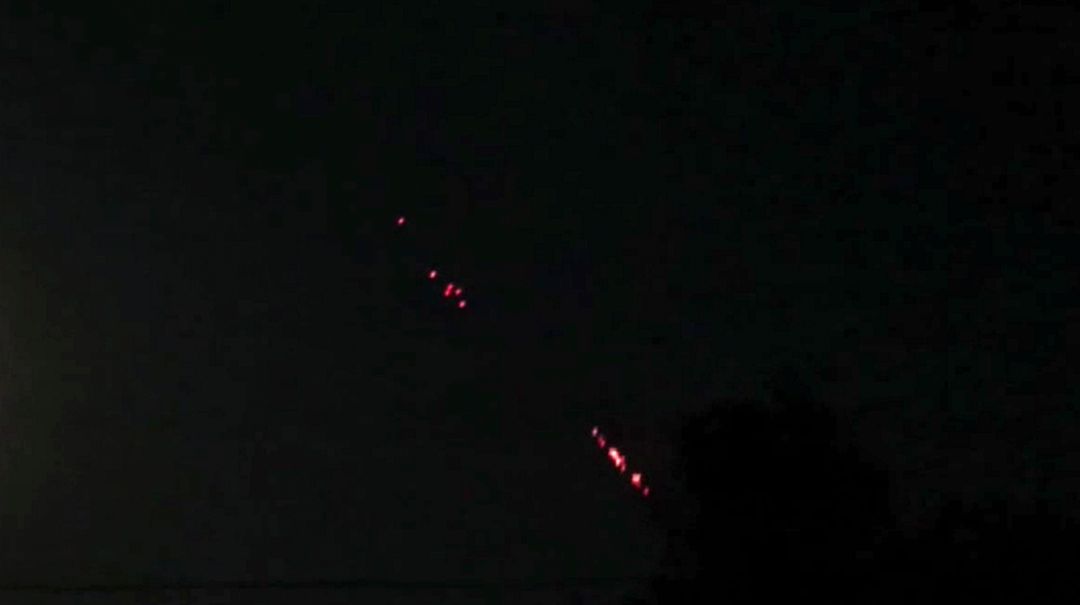
Over 300 Drones Target India in Coordinated Intrusions; Armed UAV Neutralised Near Bathinda
New Delhi, May 10 – In a dramatic escalation of hostilities, Pakistan has launched a series of coordinated drone attacks along India’s western front, deploying kamikaze and armed drones in an attempt to target military and civilian infrastructure. Indian armed forces, however, successfully repulsed these intrusions with swift and effective countermeasures, according to top defense sources.Pakistan employed a range of unmanned aerial systems including swarm drones, loitering munitions, and an armed UAV aimed at the Bathinda military station. Wing Commander Vyomika Singh, speaking at a press briefing alongside Colonel Sofiya Qureshi and Foreign Secretary Vikram Misri, confirmed that these attempts were met with a robust air defense response.
Kamikaze Drones Used in Aggressive Airspace Violations
Kamikaze drones, also known as suicide drones, were part of Pakistan’s offensive. These unmanned systems are designed to crash into their targets while carrying explosive payloads. A military official said these drones loiter above target zones before diving in, destroying both themselves and the objective.In the early hours of May 10, at around 5 a.m., Pakistani forces launched several Byker YIHA III kamikaze drones toward residential areas in Amritsar, Punjab. However, India’s Air Defence (AAD) units swiftly detected and destroyed them mid-air, preventing any damage or casualties.
300–400 Drone Intrusions Attempted from Leh to Sir Creek
Wing Commander Singh revealed that Pakistan attempted airspace violations at 36 locations stretching from Leh to Sir Creek on the intervening night of May 8-9, using nearly 300 to 400 drones. These were intercepted using a combination of kinetic and non-kinetic methods.“The possible purpose of these large-scale aerial intrusions was to test India’s air defense systems and to gather intelligence,” she noted.
Songar Drones from Turkey Suspected
Preliminary forensic analysis of downed drone debris suggests the use of the Songar drone system developed by Ankara-based firm ASISGUARD. These drones can operate in day or night conditions, broadcast real-time video, and have a mission radius of up to 5 km.An armed UAV aimed at the Bathinda military station was also intercepted and neutralized.
Civilians on Edge as Drones Spotted in Border States
From Jammu to Rajasthan, numerous drone sightings have been reported, stoking fear among residents already enduring blackouts and night-time sirens. Many locals remain awake through the night amid rising anxiety over further attacks.A defense source revealed that the kamikaze drones aimed at Amritsar carried high-explosive payloads and were deliberately targeting populated civilian zones.
Multi-layered Air Defence System Proves Resilient
India’s successful interception of these threats was credited to its layered air defense architecture, which integrates ground-based radars, electro-optical sensors, automated command systems, and rapid-response AAD guns. The Ministry of Defence confirmed continued provocations by Pakistan, including the use of UCAVs, long-range weapons, loitering munitions, and fighter jets.“Pakistan’s escalation continues with multiple armed drones launched through the night, endangering civilians and religious sites,” the ministry stated.
The Indian military remains in a high state of operational readiness, determined to uphold national security and sovereignty.