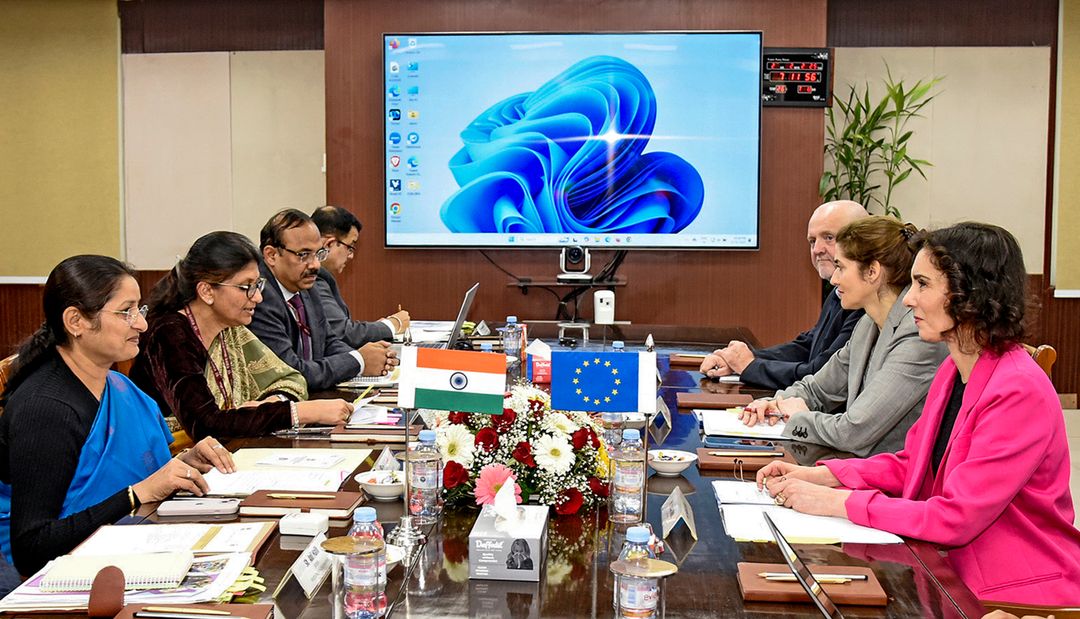
New Delhi, May 12 — India has firmly declined the United Kingdom's proposal to include a 'data exclusivity' clause in the recently concluded Free Trade Agreement (FTA), a move aimed at safeguarding the country's robust generic pharmaceutical sector.
An official confirmed on Monday that India did not concede to the UK's request made during the negotiation process of the pact, which was finalized on May 6.“There is no fear for the Indian generic industry from this agreement. In fact, it is our very important objective to see that the generic drug industry flourishes,” the official stated.
India Prioritizes Generic Exports and Public Health
The Indian generic pharmaceutical sector, valued at approximately USD 25 billion, plays a crucial role in the country's export economy, with nearly half of its production being exported globally. The government's refusal to accept data exclusivity provisions underlines its commitment to preserving affordable access to medicines, both domestically and abroad.Data exclusivity refers to the protection granted to innovator pharmaceutical companies for the clinical data they generate through costly global trials. If granted, such protection can restrict competitors from using this data to gain marketing approval for generic versions during the exclusivity period, potentially delaying the entry of cheaper alternatives into the market.
TRIPS and Precedent from EFTA Negotiations
An expert noted that data exclusivity extends beyond the obligations of the WTO's Trade-Related Aspects of Intellectual Property Rights (TRIPS) agreement, reinforcing India’s decision to resist such demands in trade deals.India has previously taken a similar stance in its negotiations with the European Free Trade Association (EFTA), which includes Iceland, Liechtenstein, Norway, and Switzerland. Despite pressure, India excluded data exclusivity from the FTA signed with the EFTA bloc in March 2023.
Notably, the UK and Switzerland are home to major global pharmaceutical firms, including AstraZeneca, GSK, Novartis, and Roche, which benefit from data exclusivity in their domestic markets.
Balanced Gains in the India-UK FTA
While protecting the interests of its pharma industry, India also secured trade benefits through the FTA. The agreement is set to lower import duties on British goods such as Scotch whisky and cars, while offering reduced tariffs for Indian exports like garments and leather products in the UK market.The move underscores India’s strategic approach to trade negotiations — opening markets while firmly defending domestic economic interests and public health priorities.