Defence Minister Rajnath Singh Hails BrahMos as a Symbol of India's Military Strength and Technological Prowess
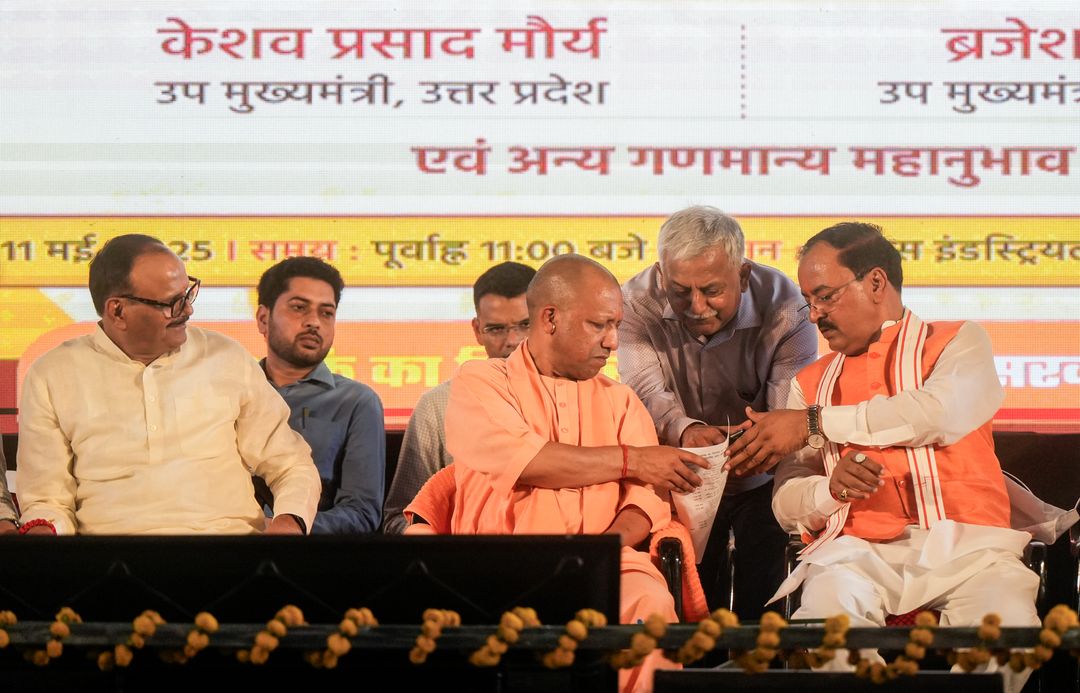
Lucknow, May 11 — Marking a significant stride towards self-reliance in defence manufacturing, India inaugurated its largest BrahMos missile integration and testing facility in Lucknow on Sunday. The milestone event coincided with National Technology Day, commemorating India's 1998 nuclear tests in Pokhran.
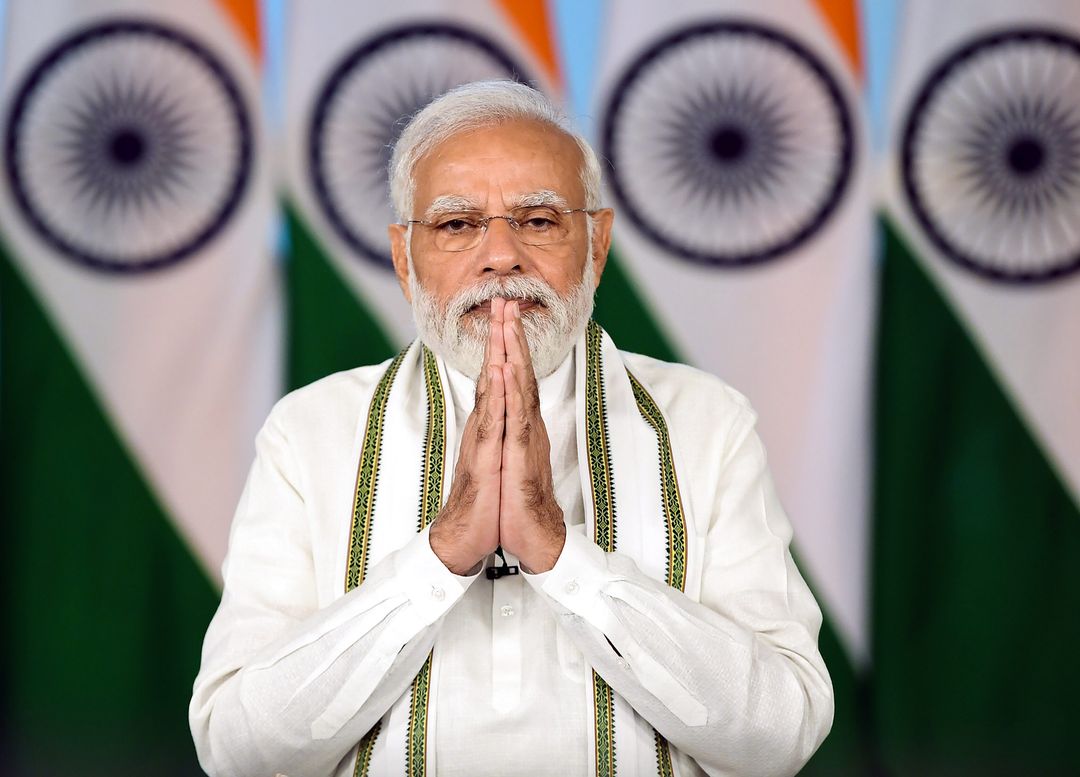
Defence Minister Rajnath Singh, who addressed the gathering virtually from Delhi, emphasized the strategic and symbolic importance of the BrahMos missile system. “BrahMos is not just a weapon, but a message in itself—a message of strength, deterrence, and our unwavering commitment to national security,” Singh declared.
A Strategic Leap for Atmanirbhar Bharat
The newly launched facility, set up at a cost of Rs 300 crore, is part of the Uttar Pradesh Defence Industrial Corridor (UPDIC). Spread across 80 hectares of land provided by the state government, it will not only produce but also integrate and test one of the world’s fastest supersonic cruise missiles, with a top speed of Mach 2.8 and a range of 290 to 400 km.
“This centre will accelerate India’s self-reliance in defence and marks a major leap towards our vision of Atmanirbhar Bharat,” Singh said. He noted the active participation of both public and private sector players, including PTC Industries Limited, which is also initiating titanium and super-alloy material production.
Defence Industrial Corridor as a Growth Engine
Singh praised the timely completion of the facility within 40 months and said it aligns with the government’s broader vision of turning Uttar Pradesh into a major defence production hub. The UP Defence Corridor, announced in 2018 by Prime Minister Narendra Modi, comprises six nodes: Lucknow, Kanpur, Aligarh, Agra, Jhansi, and Chitrakoot.
“Today is a historic day not only for Lucknow and Uttar Pradesh but for the entire nation. My dream for my city to contribute significantly to India’s defence sector is being realized,” Singh said.
National Technology Day Significance
Highlighting the symbolic timing of the inauguration, Singh reminded the nation of May 11, 1998, when India demonstrated its nuclear capabilities under Operation Shakti and flew the indigenously developed Hansa-3 aircraft for the first time. “This is a day to honour our scientists, engineers, and defence personnel who tirelessly work to fortify the nation,” he said.
The Ministry of Defence reinforced this message, stating on social media that the new facility represents a strategic boost to regional industrial growth and solidifies India’s position as a leading defence manufacturer.
BrahMos: A Joint Technological Marvel
Developed by BrahMos Aerospace, a joint venture between India and Russia, the BrahMos missile can be launched from land, sea, or air platforms and operates on a "fire and forget" mechanism, making it a cornerstone of India’s military arsenal.
With this new facility, India cements its position as a major force in global defence manufacturing, while simultaneously boosting regional development and technological innovation in Uttar Pradesh.