Munich, February 14 External Affairs Minister S Jaishankar met his counterparts from the G7 countries on Saturday, reiterating India's support for reforming the UN Security Council (UNSC) at the Munich Security Conference.
The meeting came after India concluded a free trade agreement (FTA) with the 27-nation European Union in January.
Jaishankar, in a social media post, said he was pleased to engage with G7 Foreign Ministers and reiterated India's support for the UN@80 agenda, particularly meaningful reform of the UN Security Council.
The external affairs minister said he emphasised India's role in "safeguarding sea lines of communication, serving as a first responder, strengthening port security, and contributing to resilient submarine cable infrastructure".
"Our conversation highlighted the many convergences and shared interests between India and the G7," the minister added.
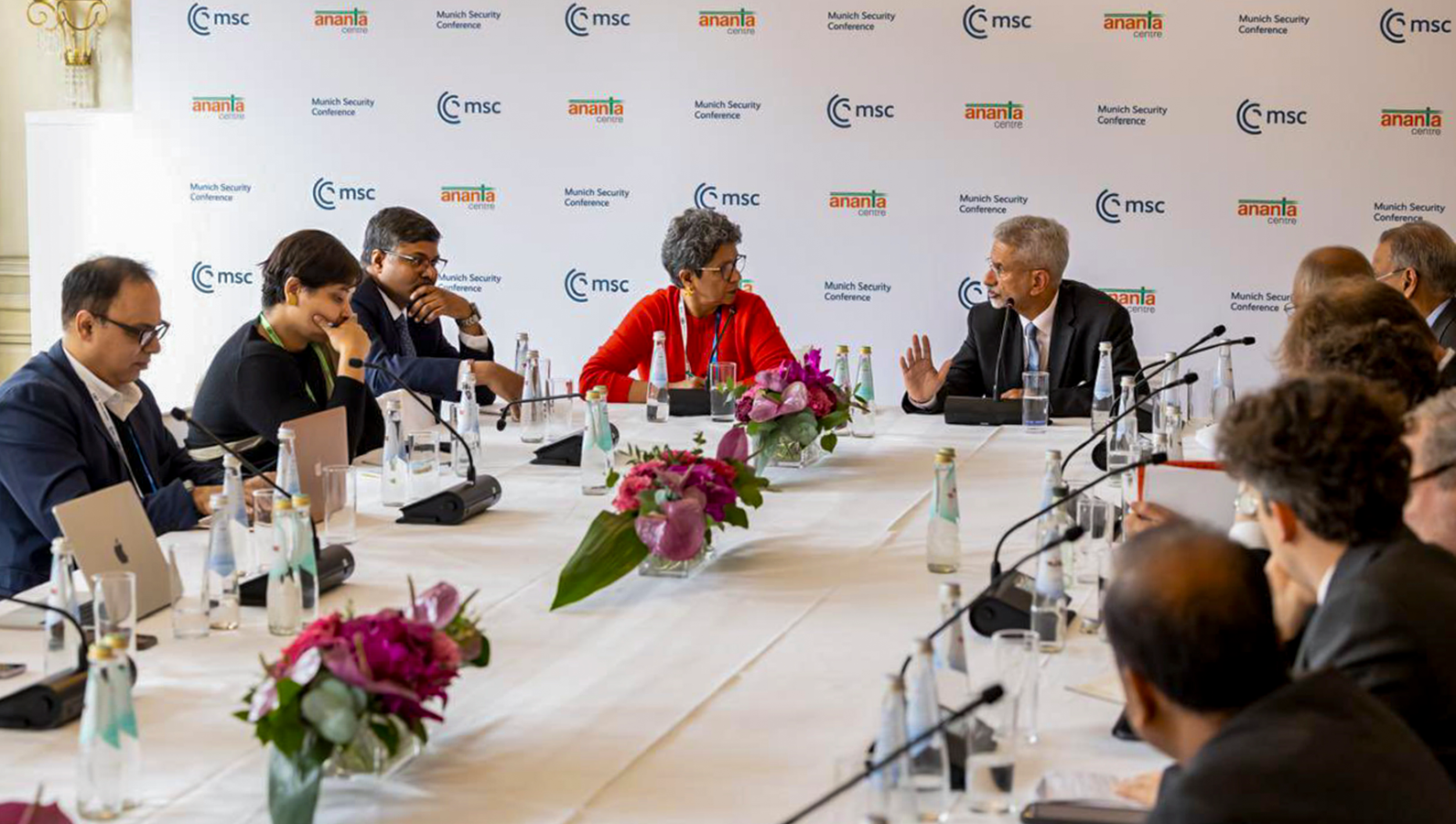
Jaishankar began his participation in the Munich Security Conference with a roundtable, "Delhi Decided: Mapping India's Policy Calculus," organized by the Ananta Aspen Centre, a non-partisan organization.
The external affairs minister said he highlighted the "importance of a nimble and dynamic foreign policy to meet the demands of multipolarity".
In a discussion with Indrani Bagchi, CEO of Ananta Centre, Jaishankar also noted the significance of the India-EU FTA and the India-US trade deal in that regard.
"The discussion focused on India's growth strategy, the choices before key partners, and why strategic autonomy remains a steady anchor as global dynamics evolve," the Ananta Centre said.
India and the 27-nation bloc announced on January 27 the conclusion of negotiations for the free trade agreement.
The free trade agreement, which will account for almost a quarter of the global GDP, will reduce tariffs on 99 per cent of Indian exports to the EU and cut duties on over 97 per cent of the EU's exports to India, according to officials.
The UN@80 initiative was launched by UN Secretary-General António Guterres in March 2025. This initiative focuses on improving organisational efficiency, reviewing mandate implementation, and aligning programmes to be more integrated and responsive.
The 62nd Munich Security Conference is taking place from February 13 to 15. Nearly 50 heads of state and government would be in attendance. This includes leaders from most European countries, alongside a large delegation from the German government, led by Chancellor Friedrich Merz.