Dhaka, February 16 – The massive victory of the Bangladesh Nationalist Party (BNP) in the recently concluded Bangladesh elections has brought relief to many in the country.
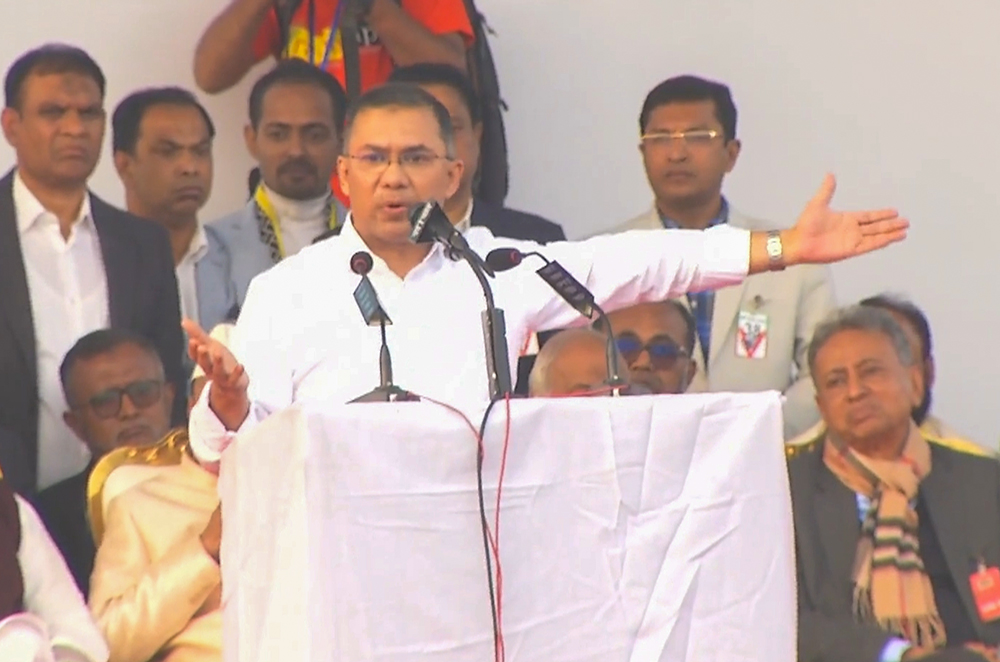
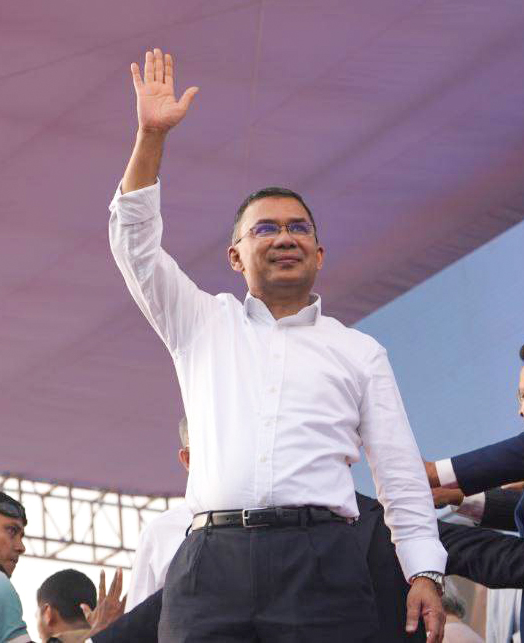
With Tarique Rahman as Prime Minister, the people see hope.
While there is jubilation across the country, there is also a great deal of skepticism due to the rise of the Jamaat-e-Islami. The Jamaat secured 77 seats, which is its best performance ever.
Rahman faces a challenging situation due to the mess left by Muhammad Yunus.
Bangladesh watchers say that for Rahman, cleaning up from within will be the biggest challenge compared to foreign relations.
He has made it clear that he wants good ties with all nations, but has also emphasized that Bangladesh will always come first. Experts say that this means that he would not give away too much to any country at the cost of his own.
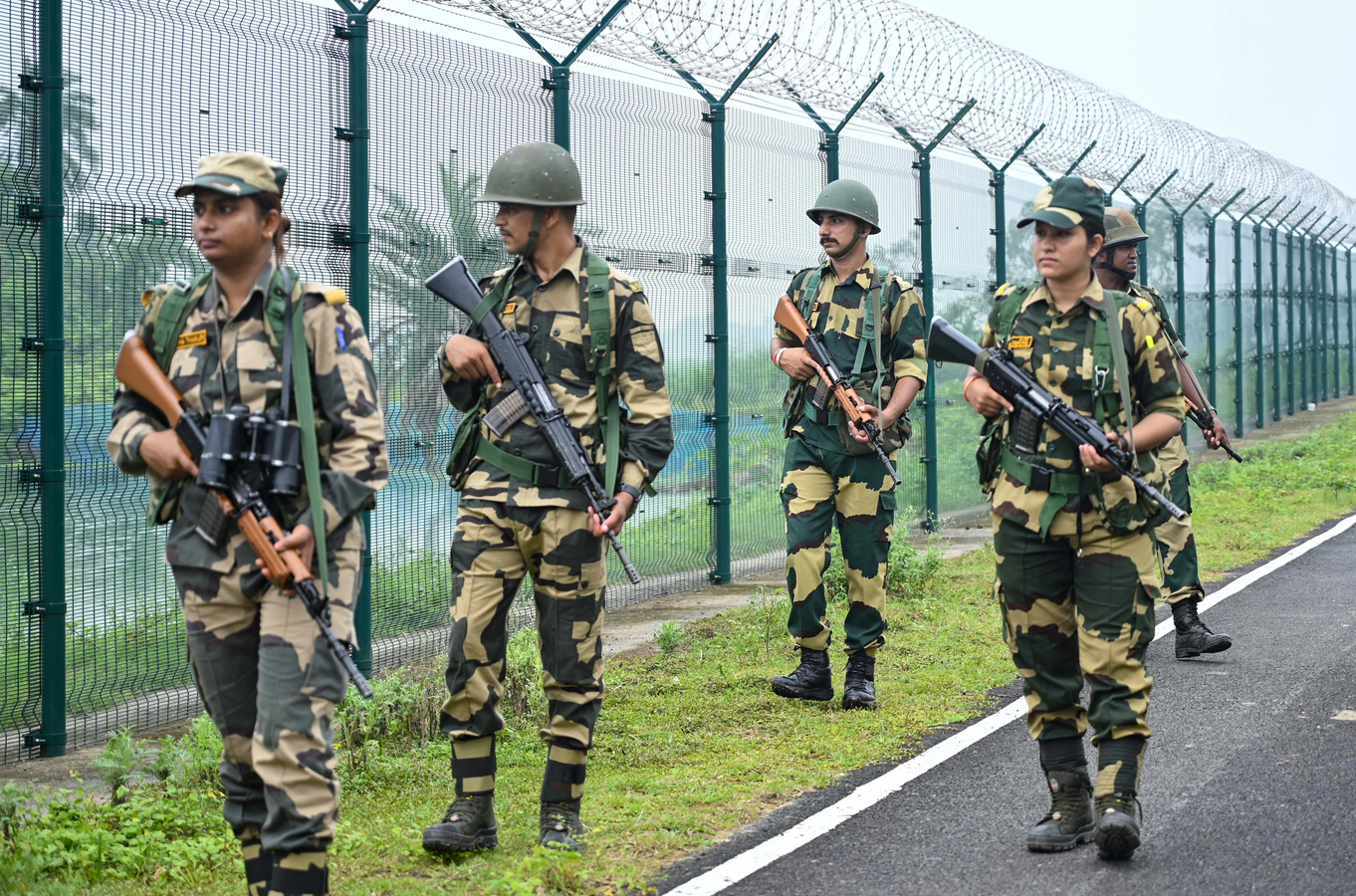
Yunus had given too much to Pakistan, thereby opening the seas and relaxing visa norms. Indian agencies say that these were mistakes by Yunus, as the ISI has been using these routes to send arms and ammunition and also terrorists. These routes are also being used to smuggle drugs and then route them into India.
Under Yunus, courtesy of the Jamaat, mobocracy has become a daily norm.
The media has been attacked, minorities have been persecuted, and political opponents have been targeted. The police have failed to take action, and even if they had, those cases were never investigated.
An official from the Intelligence Bureau said that the Jamaat may not indulge in violence immediately. There is a lot of talk that the Jamaat is looking to cooperate with the BNP so that it can be part of the government.
Both sides have been in an alliance in the past, and hence it may not be surprising if they come together again, the official said.
However, the BNP does not need the Jamaat as it has a mammoth majority on its own. Prior to the elections, the Jamaat had a lot of control over the administration. This is because of the good ties the party shared with Yunus.
Another official said that if the Jamaat does not get some important role to play in the administration, then it would get increasingly frustrated and indulge in mobocracy.
Although the BNP has won big, the reach of the Jamaat has spread. The party that never could cross the 20 mark has surged to 77, and that is a massive jump, another official said.
It would look to use this reach to spread its ideology and also terrorise the people. Experts say that although the Jamaat won big, it is clearly not rejoicing. The party was hoping to win the elections so that it could implement its own agenda.
One main agenda of the Jamaat was to erase the memories of the 1971 Liberation War. The Jamaat had sided with Pakistan in that war. It always wanted Bangladesh to be part of Pakistan as it was easier to implement its radical ideology, the experts also say. Under Yunus, it had managed to have its way. The persecution of minorities, violence on the streets and extortion grew multifold.
However, the election result clearly indicated that a majority of Bangladesh rejected the Jamaat’s ideology and they want Bangladesh to remain intact and not under the influence of a party that is a puppet of the ISI.
Rahman is unlikely to allow the Jamaat to have a free run as he is interested in urgently restoring normalcy in his country, another official said.
The Jamaat, on the other hand, owing to its reach and frustration, is likely to instigate the people and encourage mobocracy. This would be challenging for Rahman as the Jamaat is not just a fringe group, but today has political clout due to the 77 seats it won, the official added.
Moreover, the Jamaat has won in the bordering areas with West Bengal. These areas had become a breeding ground for radicalisation, and with the Jamaat fully in control of these areas, the problems are going to worsen, and this challenges India’s national security, intelligence agencies say.