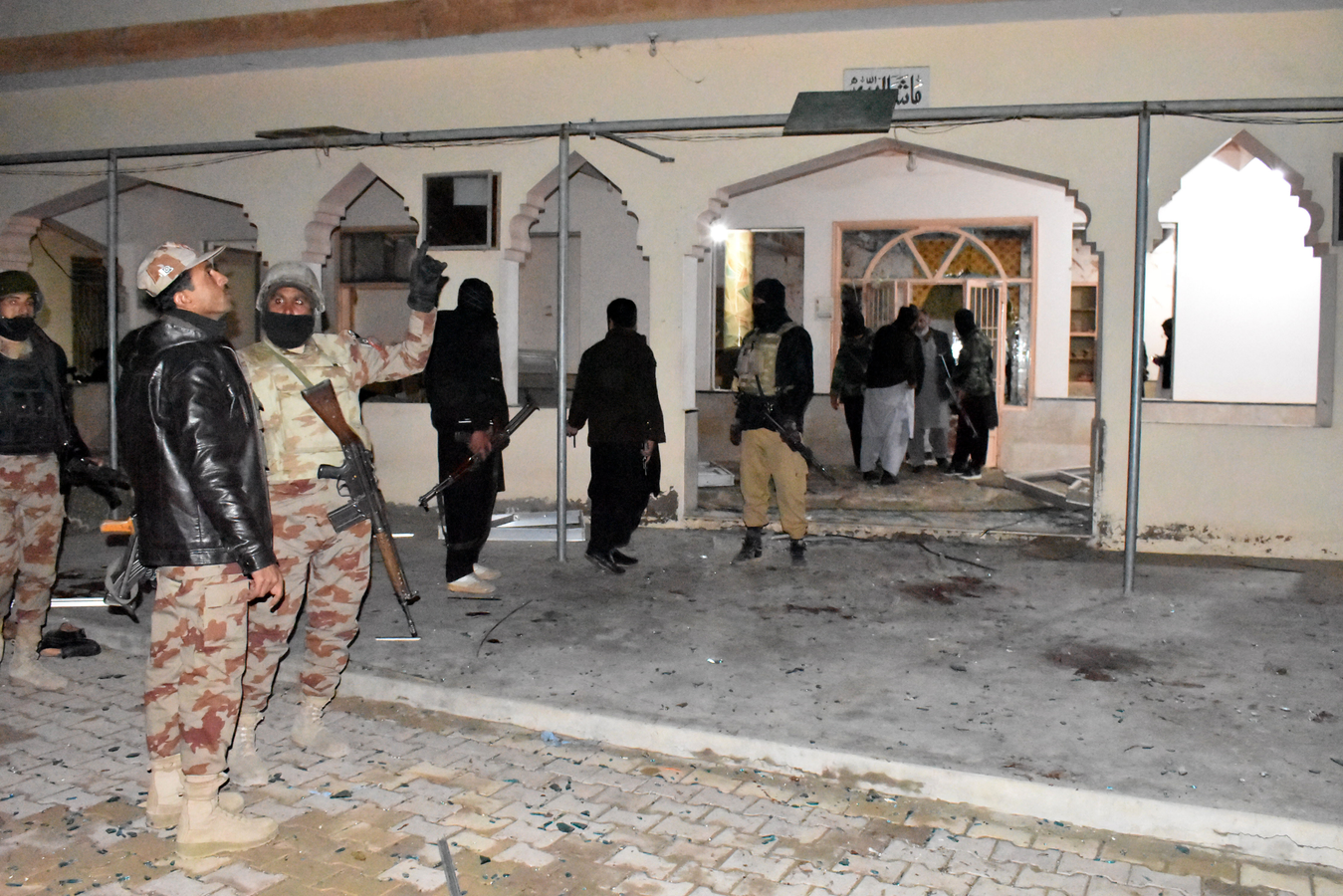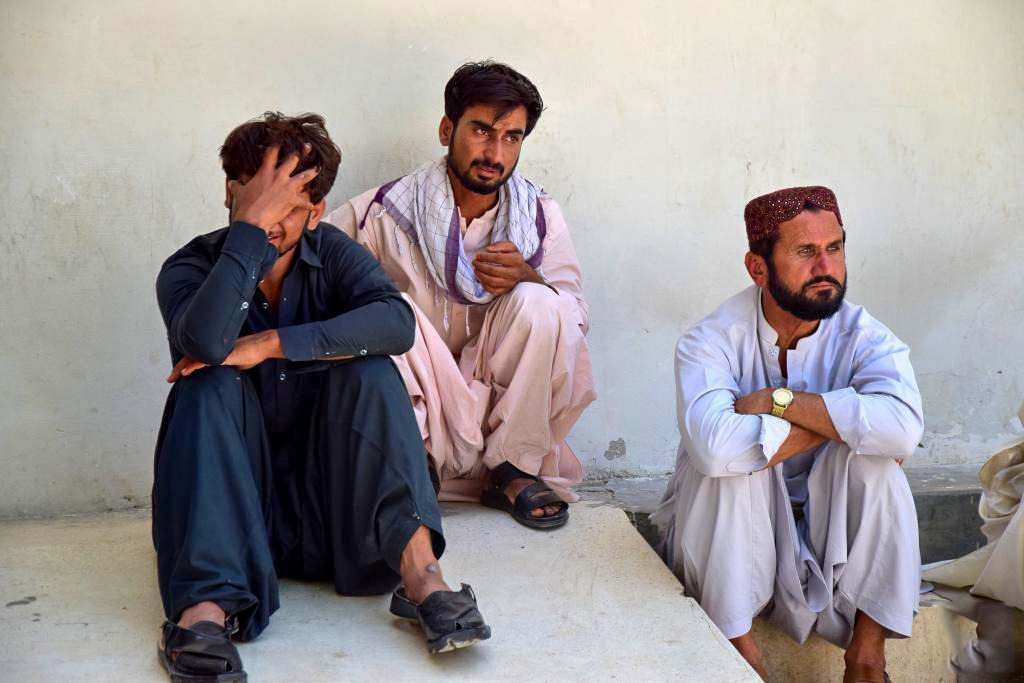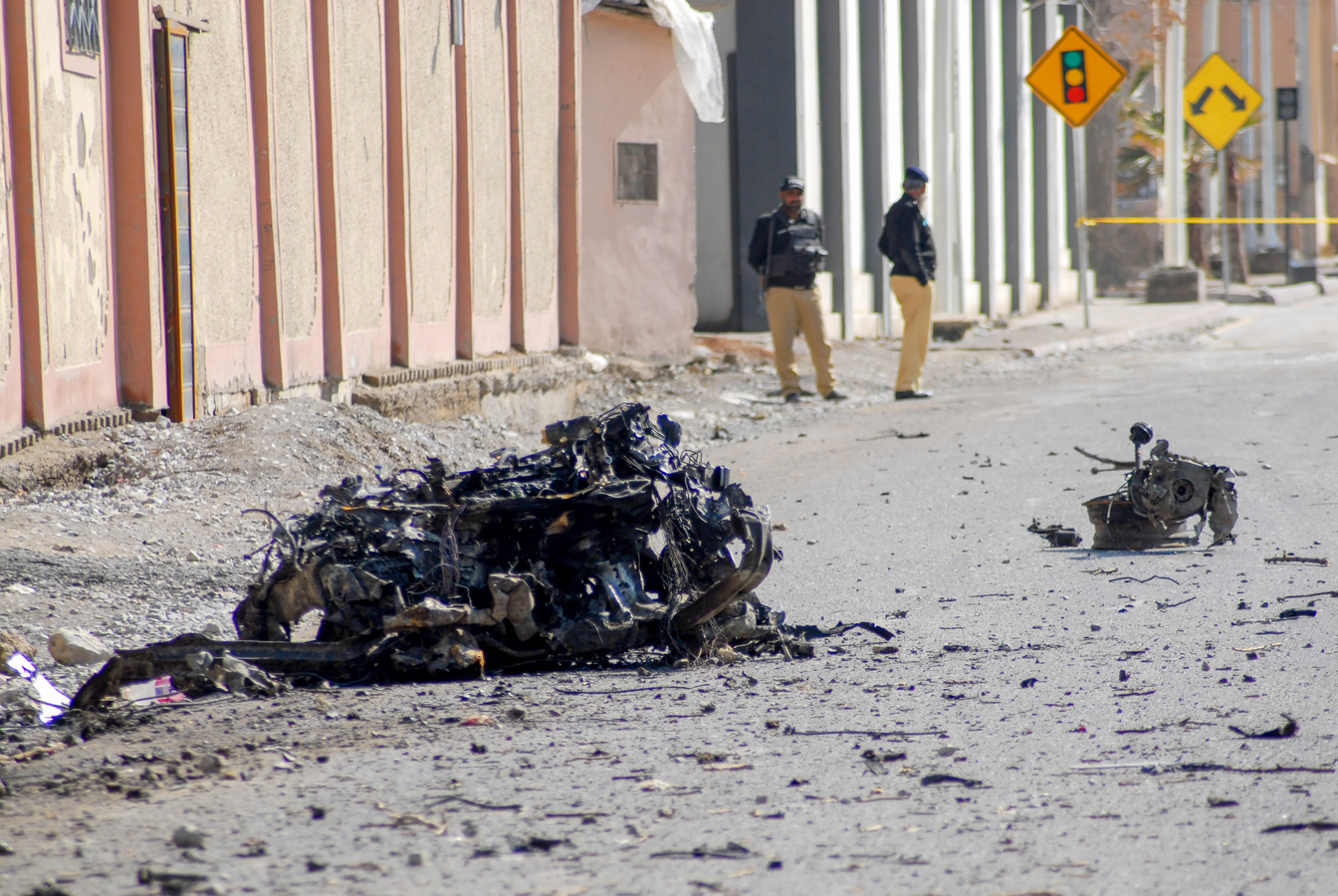
New Delhi, February 15 – The recent spate of violence and bloody clashes between Baloch insurgents and the Pakistani military has brought the region into the global spotlight, highlighting the scale and intensity of human rights abuses in the region. The rebels, refusing to yield to the military’s pressure and directives, have repeatedly confronted it.
While the Pakistani government sees a “foreign hand” in inciting the rebellion in the region, locals blame it on the former’s autocratic and oppressive policies.
A critical analysis by Eurasia Review, which breaks down the complex and intricate relationship between the Pakistani government and the Baloch residents, finds that it is not just a regional crisis but reflects the structural weakness of the Pakistani state and also serves as a warning about the grave consequences when politics is “militarized” – i.e., when the military exceeds its mandate and permeates the decision-making process.
Ironically, the vast swathes of barren land in Balochistan do not contribute substantially to Pakistan’s economy, but this remains a “land of opportunity,” and the Pakistani establishment also promotes this on the global stage.
Notably, Balochistan is at the heart of China’s investments in Pakistan through the China-Pakistan Economic Corridor (CPEC) and also remains central to Islamabad’s recent attempts to attract US capital into the mining sector.
“The province’s vast reserves of copper, gold, coal, and gas have become central to Pakistan’s economic recovery narrative. Yet, the state struggles to guarantee even basic security for heavily guarded infrastructure projects. Persistent attacks signal that militarization has failed to create sustainable stability,” the report says.
Balochistan’s geographical location is of immense significance as it controls Pakistan’s access to the Arabian Sea, borders Iran and Afghanistan, and also serves as the indispensable land corridor linking China to the Indian Ocean.
Lately, the province has seen a spate of violence with people rising in revolt against the Pakistan government’s oppression and its military’s excesses.
Under the recently promoted Field Marshal Asim Munir, the military-citizen relations have only deteriorated, pushing the situation into strategic paralysis.
The report explains that no serious investment, either Chinese or Western, can thrive where geography is treated as a strategic asset but the people who inhabit it are treated as an obstacle.
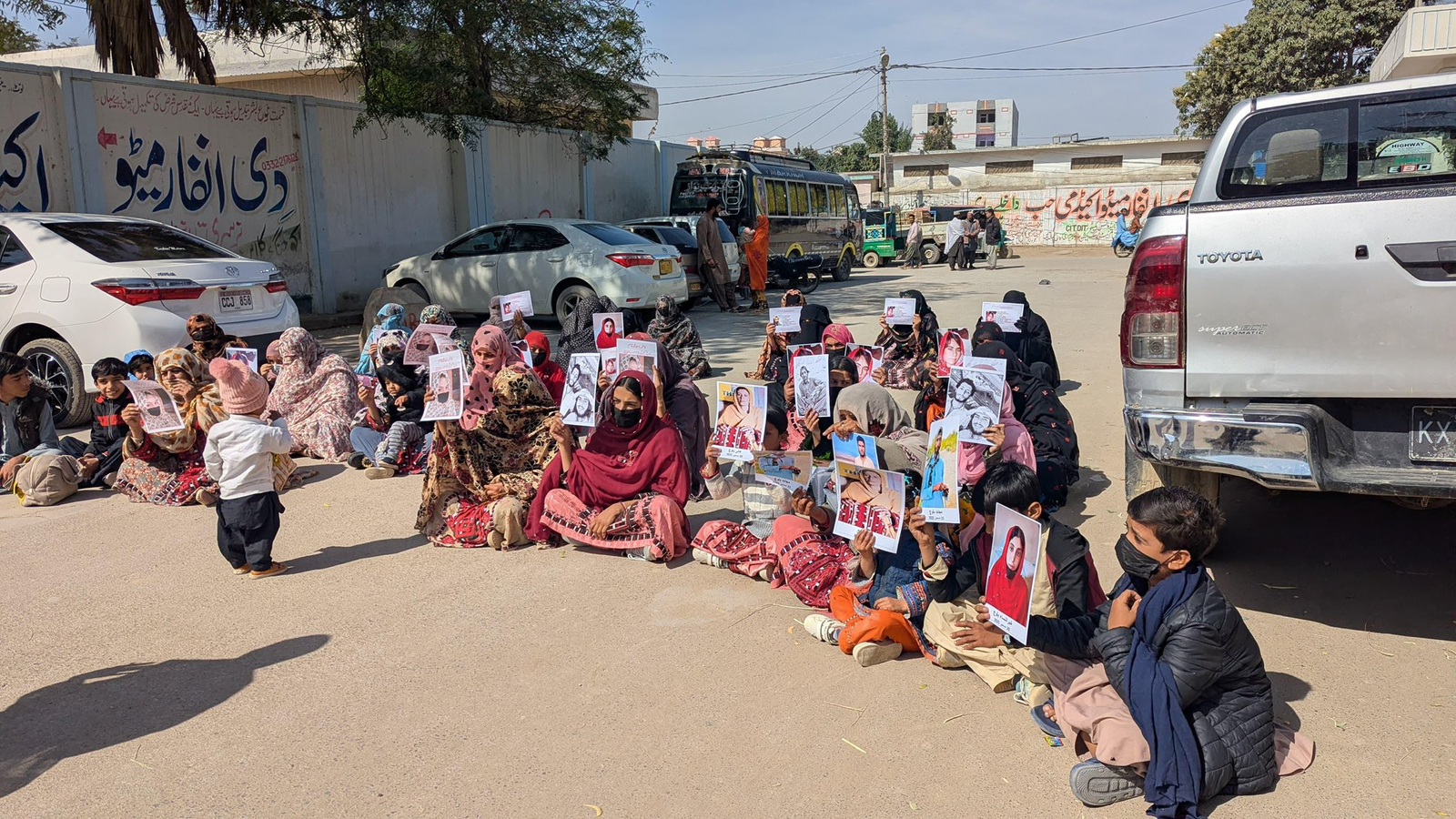
Making matters worse, the Pakistani military has systematically downplayed its casualties in Balochistan since 2019, when the intensity of security operations increased markedly. Despite the public backlash, nothing has been done to address the long-standing issues of enforced disappearances, extrajudicial killings, and mass arrests of Baloch activists.
Islamabad has persistently maintained that Balochistan remains a security issue and never acknowledged the real crisis. When Baloch residents expressed dissent with marches and student protests, they were met with arrests, media blackouts, and intimidation.
The report concludes that Balochistan has remained a festering wound, not only for its people but also for Pakistan’s future.