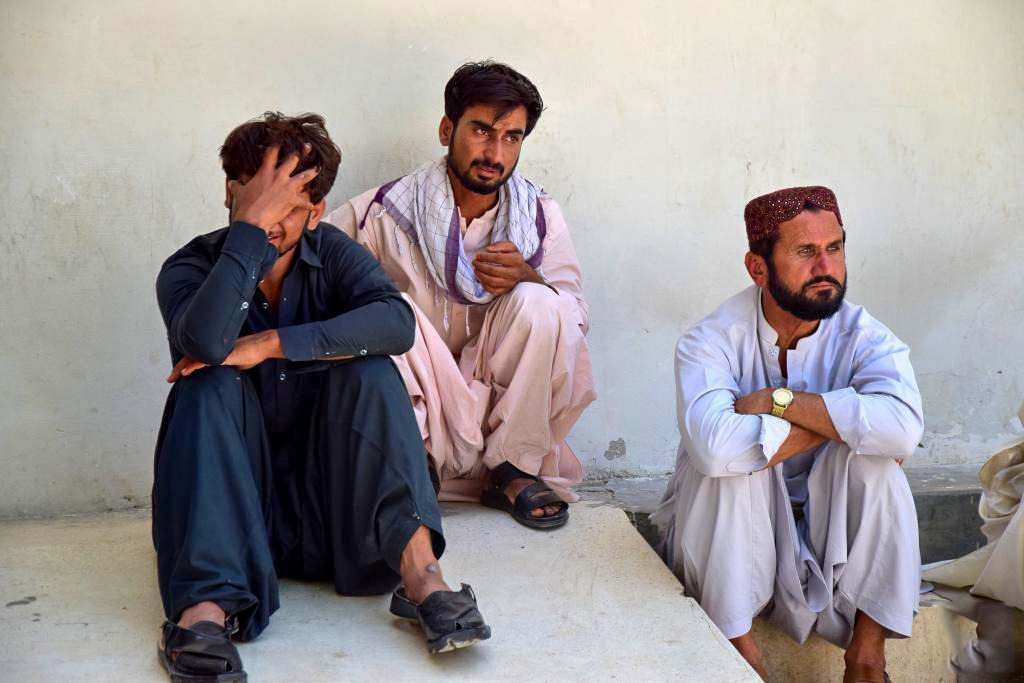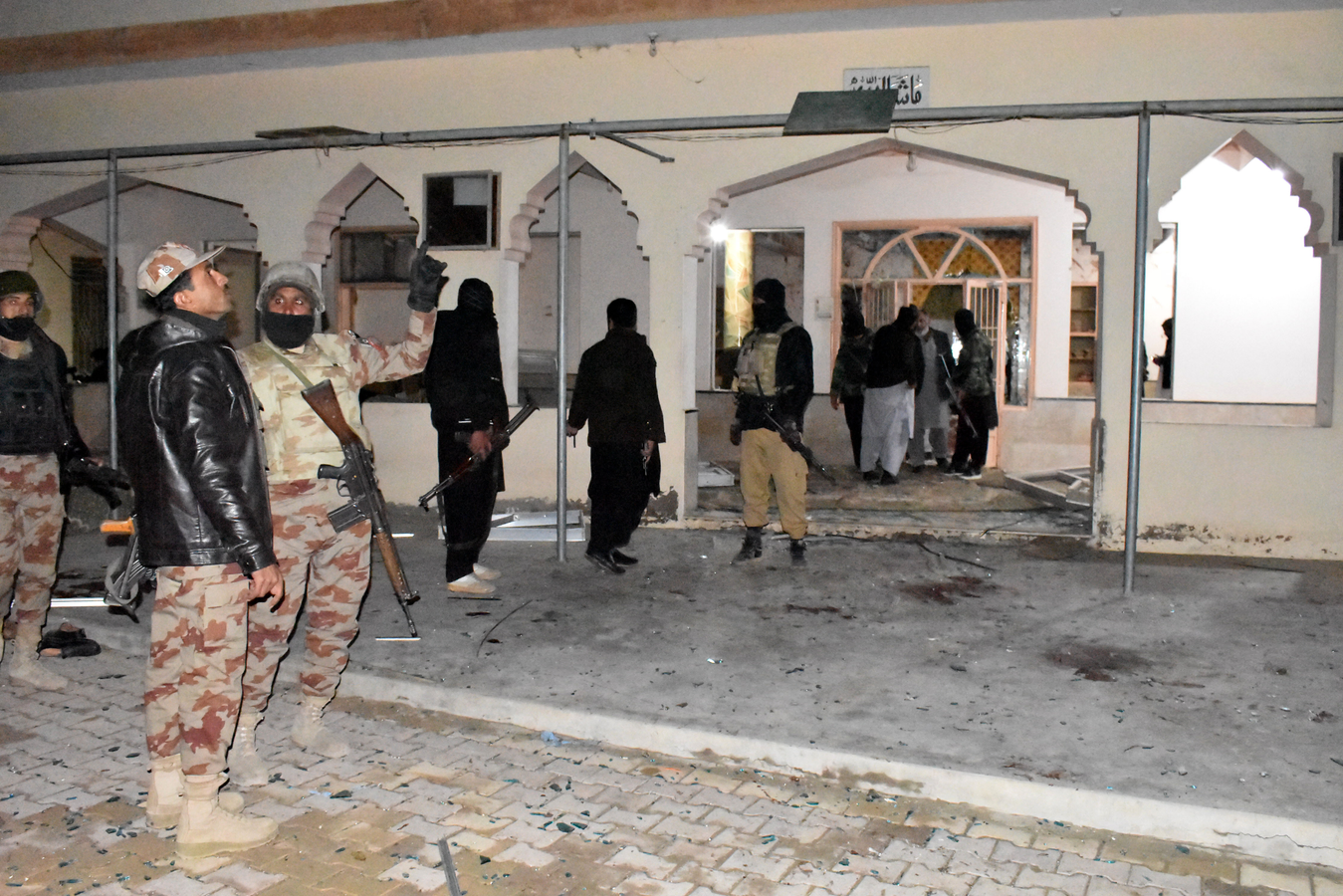
Dodoma, February 16 – The recent attacks in Balochistan, Pakistan, not only highlight security challenges, but also what critics describe as the persistent failures of Pakistani authorities to address grievances across the province, according to a report released on Monday.
The report added that documented human rights abuses – particularly enforced disappearances and alleged extrajudicial killings – have created an environment in which, according to activists, peaceful dissent is criminalized, leading some to view armed resistance as the only path to change.
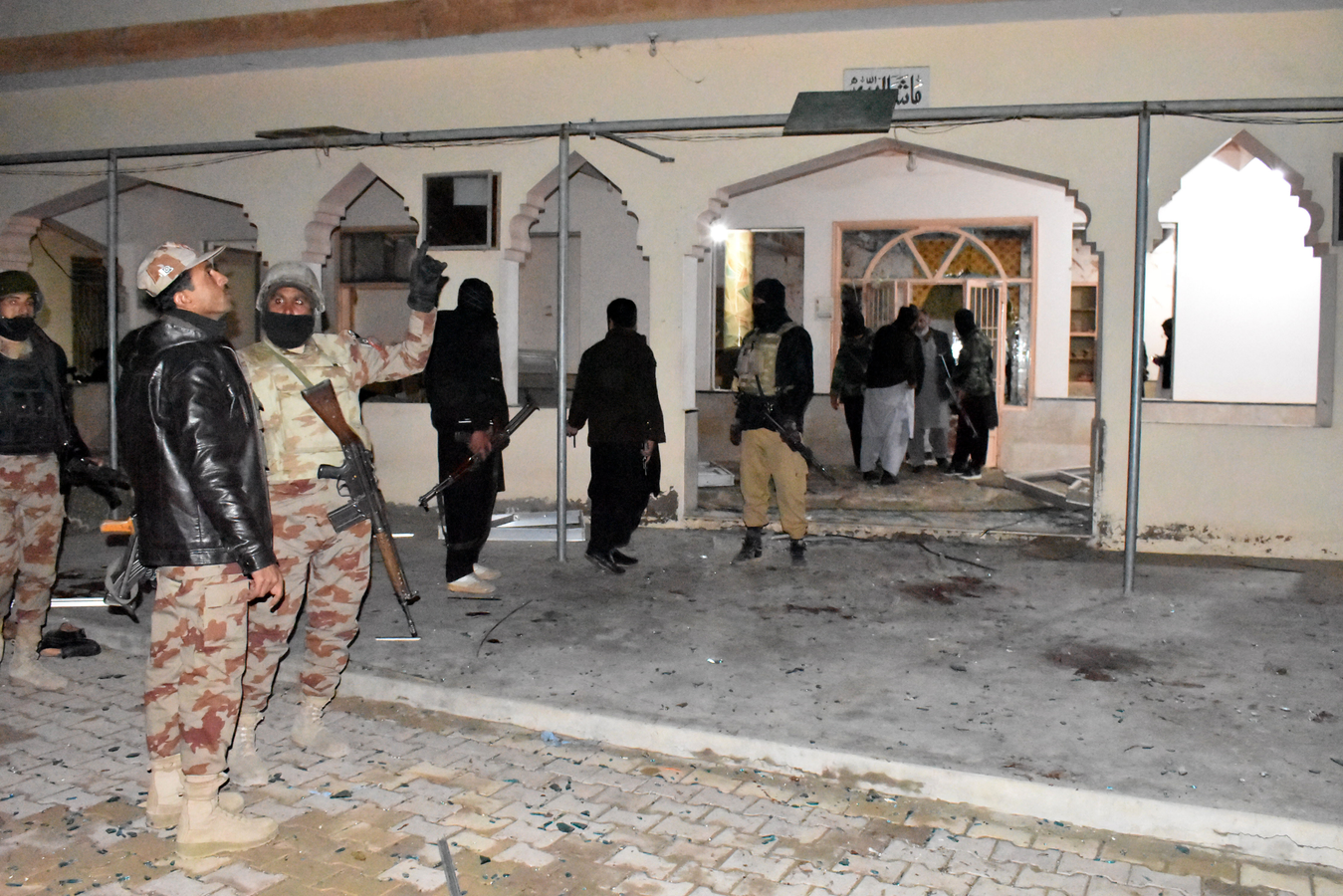
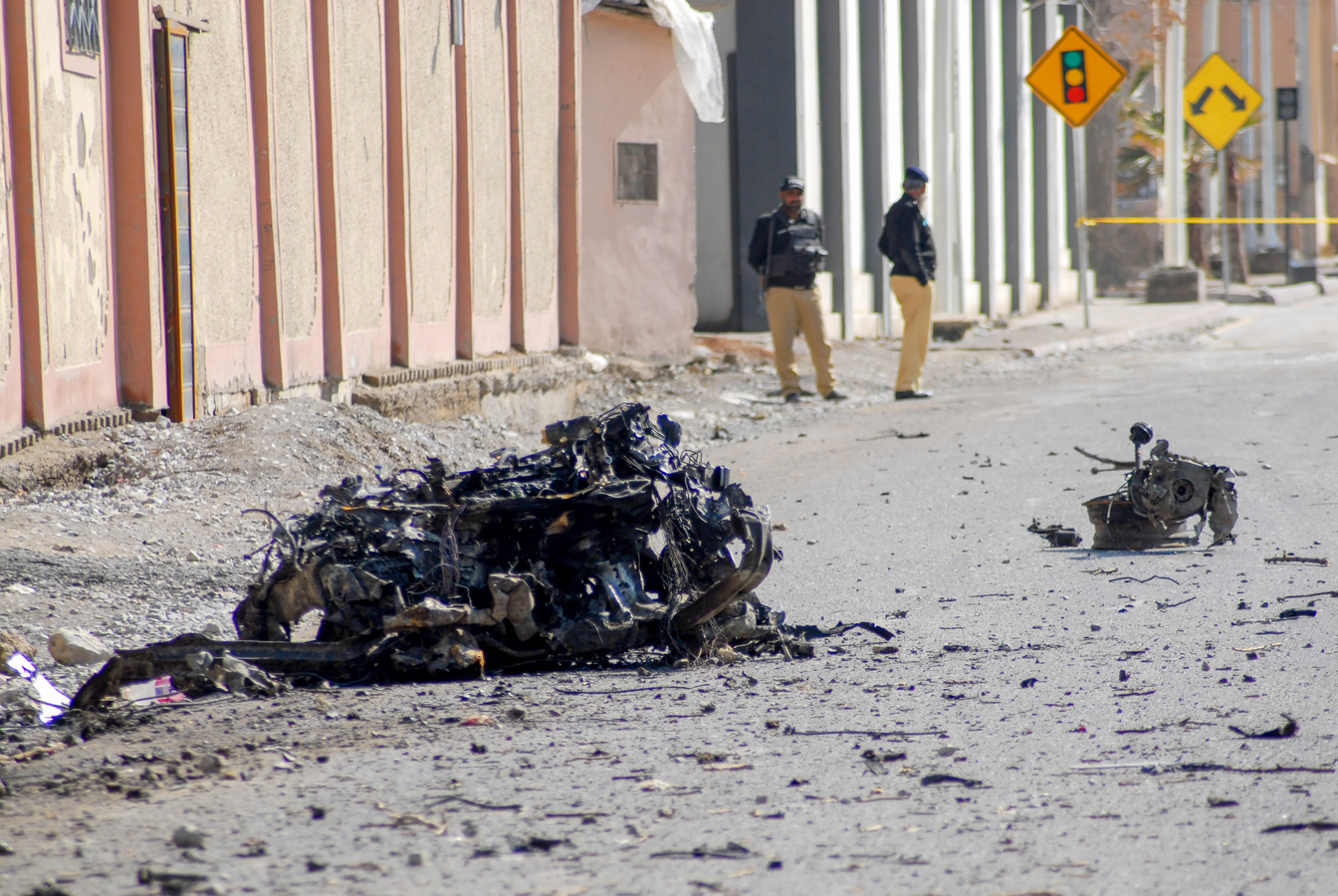
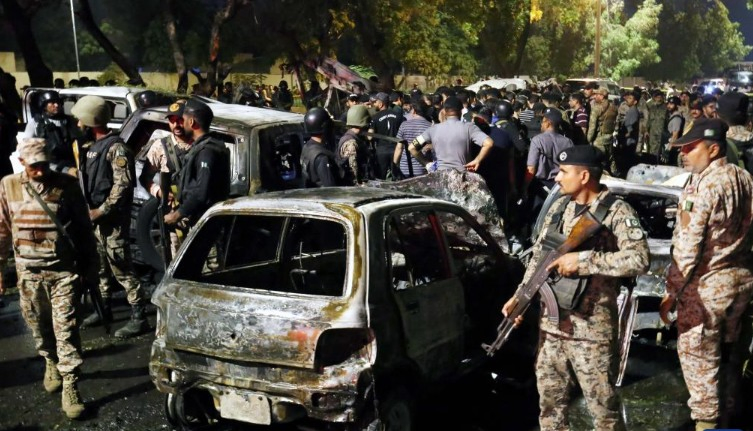
“On January 31, the Balochistan province in Pakistan experienced one of its deadliest days in decades. The Balochistan Liberation Army (BLA) launched what it called ‘Operation Herof 2.0’ – coordinated attacks across 12 districts, including Quetta, Gwadar, and Mastung. Official figures report 17 security personnel and 31 civilians killed,” a report in Tanzania-based news outlet ‘The Citizen’ detailed.
“Pakistani forces claimed 145 insurgents were killed in retaliation, although the BLA disputed this figure. The attacks involved gun assaults, suicide bombings, and the temporary seizure of police stations and government facilities. In the aftermath, reports have emerged of intensified security operations in the province, raising concerns among human rights observers about the treatment of local populations,” it added.
According to the report, the recent violence in Balochistan is not an isolated incident but marks a significant escalation in a conflict rooted in Pakistan’s history. Understanding the crisis, it said, requires examining longstanding grievances, documented human rights abuses, economic inequalities, and what critics described as “political failures”.
“Balochistan comprises 44 per cent of Pakistan’s land area but accounts for only six per cent of its population. Despite substantial natural resources – including the Sui gas fields that provide an estimated 35-40 per cent of Pakistan’s natural gas, plus significant copper, gold, and coal deposits – the province remains Pakistan’s poorest, with approximately 70 per cent of residents living in multidimensional poverty and unemployment at 33 per cent,” the report highlighted.
“The province receives 12.5 per cent of gas revenue despite supplying a substantial portion of Pakistan’s natural gas, and 9.7 per cent of funds from the National Finance Commission. Critics argue these allocations are disproportionate to the province’s resource contributions,” it stated.
The report emphasized that the $62 billion China-Pakistan Economic Corridor (CPEC), particularly the development of the Gwadar port in Balochistan, has emerged as a major flashpoint.
“Local communities have voiced concerns about displacement and economic marginalisation, alleging exclusion from employment opportunities and decision-making processes related to projects on their lands,” it stated.
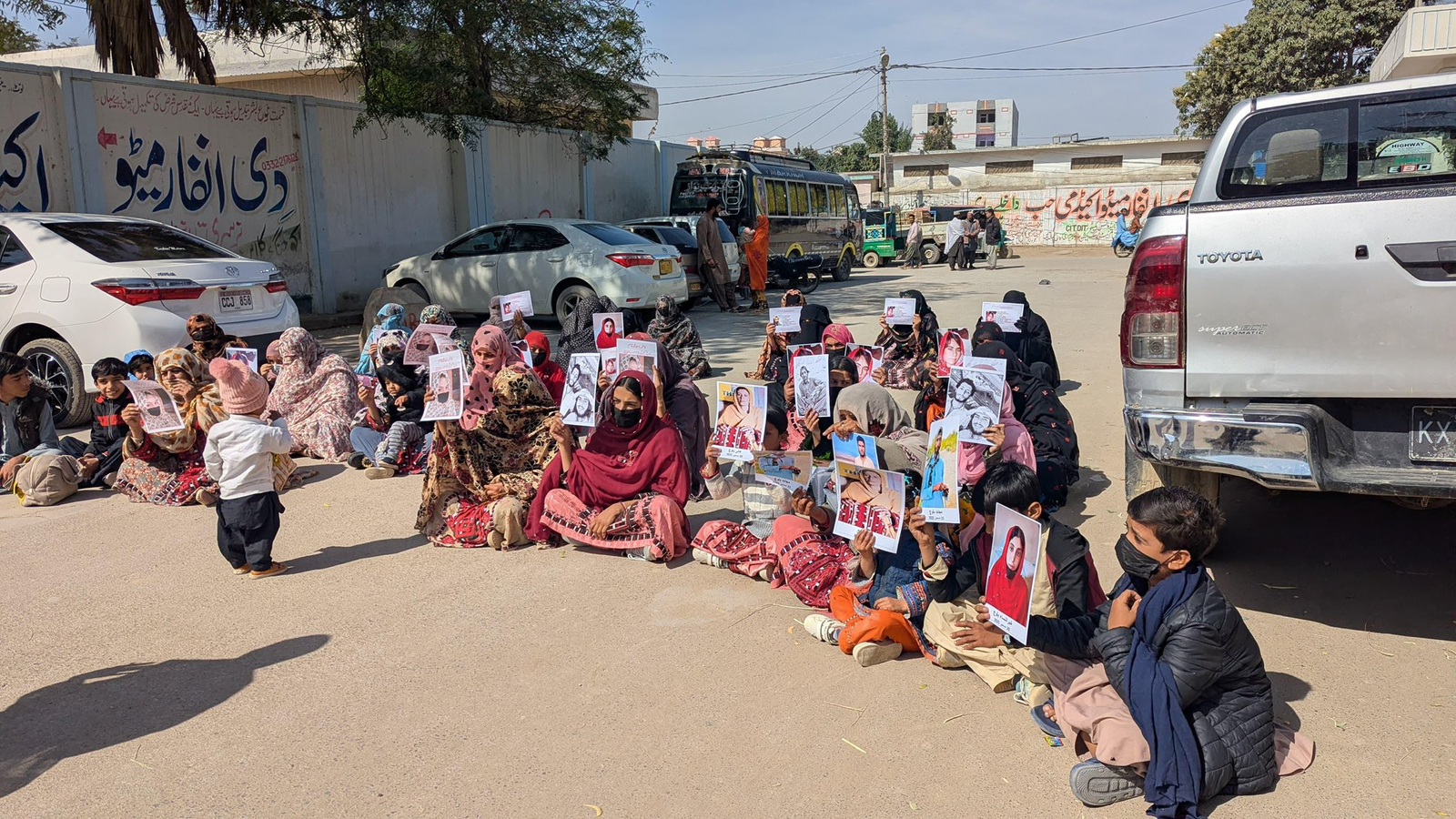
The most serious allegations in Balochistan, the report said, involve enforced disappearances and extrajudicial killings, with several human rights organisations recording what they called “systematic abuses”.
“The Baloch Yakjehti Committee (BYC) documented 1,223 cases of enforced disappearance in 2025. The Human Rights Council of Balochistan reported 1,455 cases that year, including 1,443 men and 12 women. According to their findings, 1,052 individuals remained missing by year’s end, 317 were released, 83 were reported killed in custody, and three were transferred to jail,” it noted.