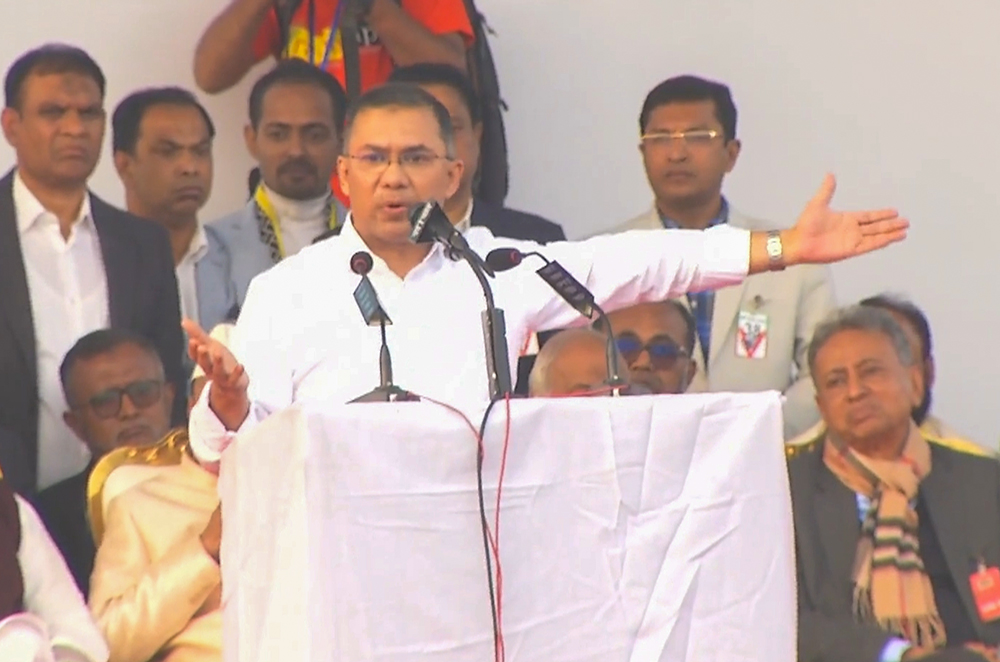
Dhaka, February 16 Tarique Rahman will take oath as the new Prime Minister of Bangladesh on Tuesday, following his party's decisive victory in the crucial general elections.
Breaking with a long-standing tradition, the swearing-in ceremony of the 60-year-old Chairman of the Bangladesh Nationalist Party will be held at the South Plaza of the Parliament Complex instead of Bangabhaban.
President Mohammed Shahabuddin will administer the oath to the new cabinet members at the South Plaza of the Jatiya Sangsad on Tuesday afternoon, state-run BSS news agency reported on Monday.
"The Parliament Secretariat is scheduled to hold the oath-taking ceremony of the new cabinet members at 4:00 pm tomorrow. Earlier, the Members of Parliament (MPs) will be sworn in at 10:00 am at the South Plaza of the Jatiya Sangsad Complex,” Secretary of the Jatiya Sangsad Secretariat Kaniz Maula told BSS earlier.
The BNP has called a parliamentary party meeting at the Parliament Building at 11:30 am to elect the parliamentary party leader.
"As the leader of the majority party, our party chairman, Tarique Rahman, will be the Prime Minister," said Salah Uddin Ahmed, a member of the standing committee of the BNP.
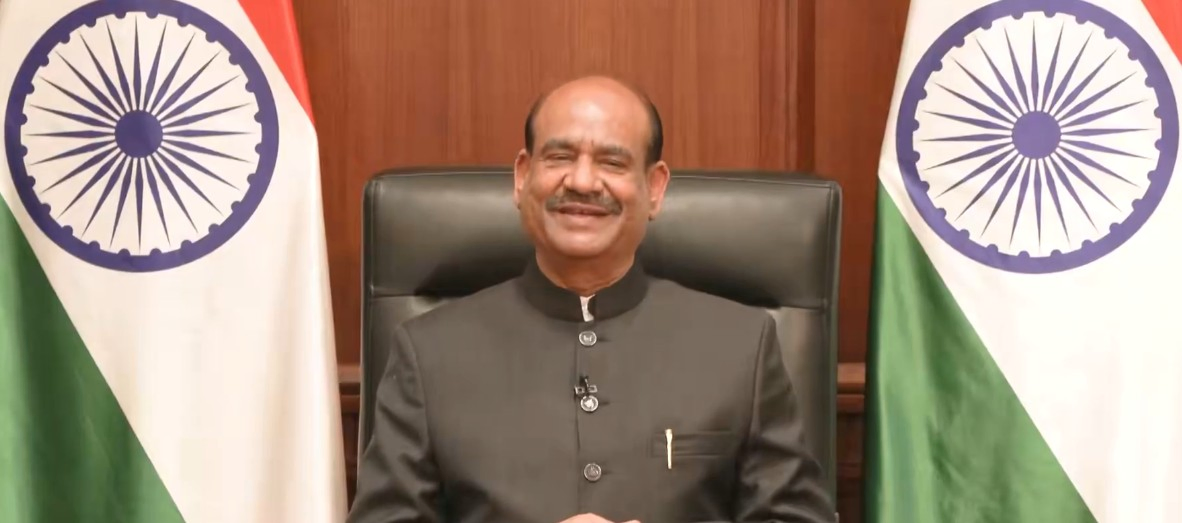
Speaker of the Lok Sabha, Om Birla, will represent India at the swearing-in ceremony of Rahman. Foreign Secretary Vikram Misri and Secretary-General of Lok Sabha, Utpal Kumar Singh, are also likely to accompany Birla, people familiar with the matter said.
According to the Election Commission (EC), the BNP has won 209 out of 297 seats, while the right-wing Jamaat-e-Islami secured 68 seats.
After his party's victory, Rahman visited the homes of his political rivals, including Jamaat-e-Islami chief Shafiqur Rahman and National Citizen Party (NCP) Convener Nahid Islam, where he exchanged greetings and held cordial discussions.
Rahman will become the prime minister for the first time. He will replace the interim government chief Muhammad Yunus, under whose tenure Dhaka's relations with New Delhi witnessed a significant downturn.
Bangladesh held the significant 13th parliamentary election on February 12 after a period of tumultuous political vacuum, instability and a fragile security situation, including widespread attacks on minorities following the student-led protests that brought down the 15-year rule of Sheikh Hasina in August 2024.
Hasina's Awami League party was barred from contesting the polls, which recorded 59.44 per cent voter turnout.
Four candidates from minority communities, including two Hindus, all from the BNP, won in the elections.
Goyeshwar Chandra Roy, a member of the BNP’s highest policy-making standing committee, and Nitai Roy Chowdhury, one of the vice presidents of the party, won their seats.
The third minority MP-elect is Sachin Pru, a senior BNP leader and follower of the Buddhist faith, while the fourth minority candidate, Dipen Dewan, belongs to the Buddhist majority Chakma ethnic minority group.
Hindus comprise approximately eight per cent of the population in the Muslim-majority country of 170 million people.
Maldives President Mohammed Muizzoo, Turkish Undersecretary Beris Ekinci, and Sri Lanka’s Minister of Health and Mass Media Dr Nalinda Jayatissa would be among those attending Rahman's oath ceremony.