Over 1.19 Lakh Trees to Be Felled for Greenko’s Pumped Storage Project; Villagers Fear Displacement and Loss of Ancestral Rights
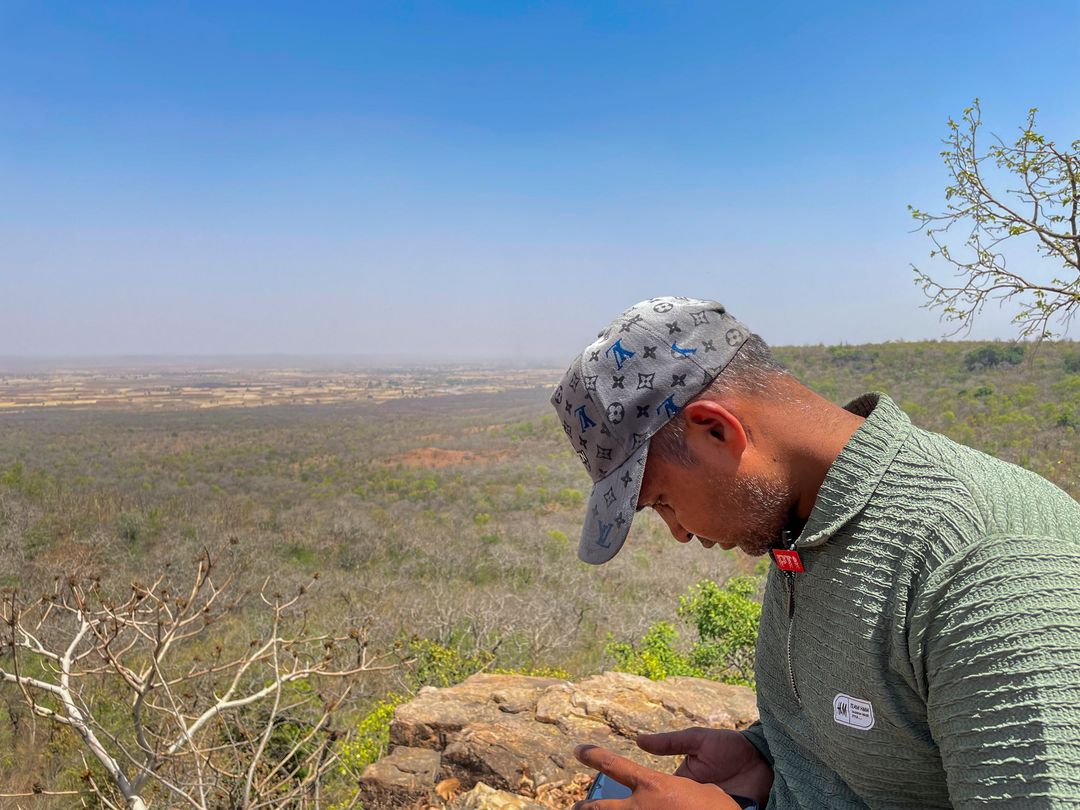
Baran, Rajasthan, May 11 — In the tribal village of Moondiyar, situated near the ecologically-sensitive Shahbad forest in Baran district, anxiety hangs thick in the air. The forest that has sustained generations is now at risk, as a massive 1,800-megawatt pumped storage project by Greenko Energies Private Limited proposes to divert 408 hectares of forest land and fell over 1.19 lakh trees.For Ravi Sahariya, a 26-year-old resident of Moondiyar, the forest is not just a source of income but the cornerstone of identity and survival. “If the forest goes, we go,” he says, sitting at a small temple where villagers have gathered to oppose the project. Ravi, a member of the Particularly Vulnerable Tribal Group (PVTG) Sahariyas, earns most of his meager Rs 50,000 annual income by collecting forest produce like mahua and amla.
Project Footprint Wider Than Officially Stated
While the land acquisition officially lists only three villages — Kaloni, Mungawali, and Baint — at least seven villages, including Moondiyar, are facing repercussions. Moondiyar has around 2,500 residents, nearly half of whom are Sahariyas and Dalits who rely heavily on the forest for sustenance.Greenko claims it is not acquiring any land in Moondiyar, but locals report a surge in land purchases by brokers targeting vulnerable tribal landowners. Legal protections such as the Rajasthan Tenancy Act and the Land Acquisition Act, 2013, prohibit such transactions without collector approval. However, tribal land is reportedly changing hands in distress sales.
Baran Collector Rohitashva Singh Tomar has denied receiving any formal land acquisition request from the company and stated that he has not approved any tribal land transfers.
Forest Rights Unclear and Unsettled
Greenko’s forest-diversion proposal submitted to the Union Environment Ministry claims that forest rights have been settled — a mandatory step before forest land can be used. However, villagers like Ravi say they are unaware of any such recognition. The collector termed the forest rights process “dynamic” and said pending claims will be reviewed.Loss of the forest would also worsen an existing malnutrition crisis. Last year, over 170 malnourished children were identified in the Shahbad-Kishanganj area, many from affected villages. “No forest means no food or income. Malnutrition will rise, and migration will follow,” warns Kaloni farmer Laxman Singh Mehta.
Ecological Concerns and Wildlife Threats
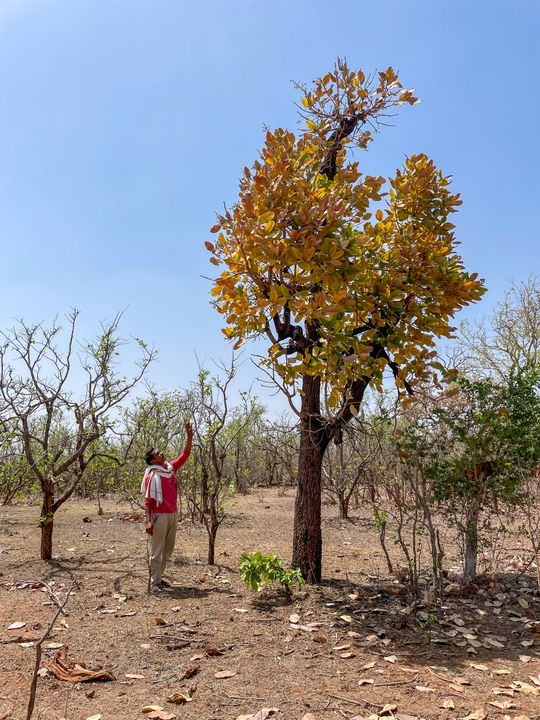
Environmental experts are raising alarms about the ecological cost. Shahbad forest is home to endangered species like leopards, sloth bears, vultures, and even cheetahs believed to have strayed from the nearby Kuno National Park. Fragmentation of this habitat, according to the project’s Environmental Impact Assessment (EIA), could significantly increase human-wildlife conflict.Tree felling has allegedly already begun, although Greenko denies it, stating only minimal clearance will occur after final permissions. Local forest officials also claim ignorance but promise an investigation if complaints are made.
Water conservationist Rajendra Singh, who visited the site, estimates the actual number of trees to be cut could be four times higher than officially reported.
Renewable Push at Social Cost?
India’s push towards 500 GW of non-fossil fuel energy by 2030, including Rajasthan’s ambitious 90 GW target, has brought green energy into conflict with local communities. A 2024 Land Conflict Watch report identified 31 disputes linked to renewable energy projects, with eight in Rajasthan alone.Social activist Jitendra Sharma of the Save Shahbad Forest campaign highlights the lack of rehabilitation plans: “We are displacing people without offering alternative skills, livelihoods, or support. This is not just environmental loss — it’s a human rights issue.”
Divided Voices on Development
While some, like Bhup Singh from a project-affected village, see potential for job creation, others remain deeply sceptical. “A crusher plant was set up nearby and promised jobs. Not one local was hired,” says Moondiyar resident Manak Chand.Goatherd Neeraj Kashyap, who depends on the forest for grazing land, fears the worst: “If the forest is cut and we’re not supported, we will starve. Our animals and children will have nothing left.”
As Greenko awaits final clearance, the people of Shahbad wonder who will stand between their forest and the axe.