Tribal communities in Baran district fear loss of livelihood, identity, and ecology due to a mega clean energy project
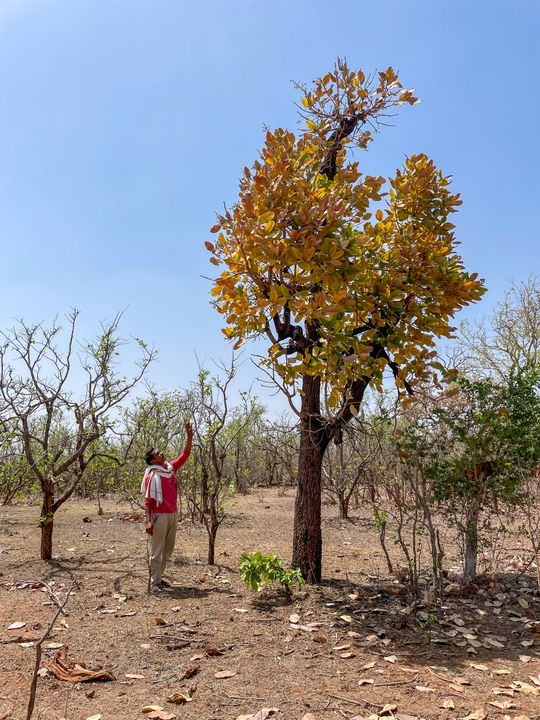
Baran (Rajasthan), May 11 – In the quiet village of Moondiyar, on the edge of the Shahbad forest, a storm is brewing. Beneath the shade of a modest temple, tribal families gather, not to pray, but to protest. A proposed 1,800-megawatt pumped-storage hydro project by Greenko Energies Pvt. Ltd threatens to transform 408 hectares of forestland and the lives of hundreds who depend on it.Though officially only three villages — Kaloni, Mungawali, and Baint — are listed for land acquisition, the impact of the project looms over at least seven tribal-dominated villages. These include Moondiyar, where over 2,500 residents, nearly half of them Sahariyas — a Particularly Vulnerable Tribal Group (PVTG) — depend on forest produce and subsistence farming for survival.
"If the jungle goes, we go," say forest-dependent communities
Ravi Sahariya, 26, earns nearly 80 percent of his annual income collecting forest produce such as mahua and amla. “If the jungle goes, we go,” he says, fearing he will be forced into the city for daily wage labor. For Sahariya families like his, the Shahbad forest isn’t just a natural resource — it is their pantry, pharmacy, and livelihood rolled into one.The project, which proposes building two reservoirs covering 624 hectares and drawing water from the Kuno river, has alarmed villagers who say they were neither consulted nor informed about its full implications. Many fear that the promise of "clean energy" could come at the cost of ecological and cultural destruction.
Legal concerns cloud land acquisition process
While Greenko claims no land is being acquired from Moondiyar, villagers allege that non-tribal brokers are quietly purchasing tribal land to resell at higher prices. This violates the Rajasthan Tenancy Act, which bars such transfers without district collector approval, and the Right to Fair Compensation and Transparency in Land Acquisition Act, 2013, which mandates government mediation.Baran Collector Rohitashva Singh Tomar confirmed that no proposal for land acquisition has been received and no permissions for tribal land transfers have been granted. Despite this, the villagers claim land around the forest is already being lost to speculators.
Forest rights unrecognized, environmental clearance questioned
Villagers like Ravi are unaware if their forest rights, mandated under the Forest Rights Act, have been settled — a key condition for diverting forest land. While Greenko’s application claims compliance, the locals insist they were kept in the dark. The collector acknowledged the process is "dynamic" and said he would verify pending claims.Meanwhile, the environment ministry has granted Stage-1 clearance for the project. Locals, however, allege that trees are already being felled without final approval. This reporter observed multiple uprooted trees at the site. Water conservationist Rajendra Singh estimates that more than four lakh trees, not 1.19 lakh as claimed by the company, may be at risk.
A looming ecological and public health crisis
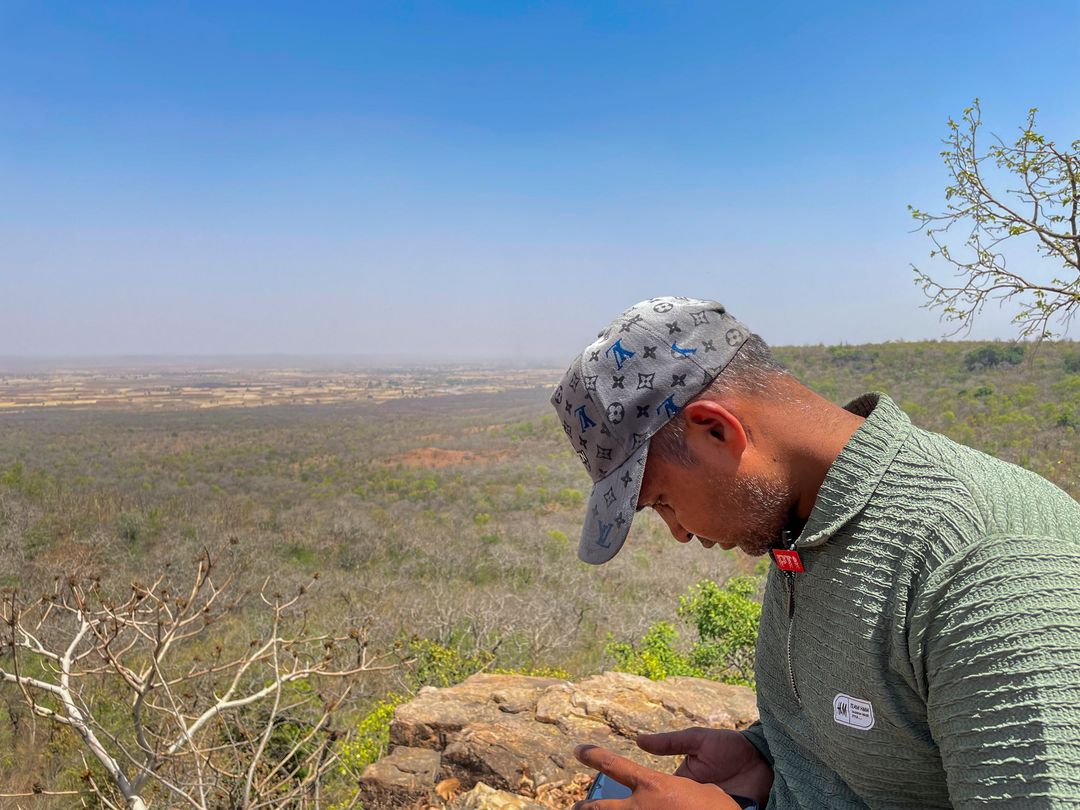
The Shahbad forest, which shields the region from Rajasthan’s harsh heat and sustains groundwater and biodiversity, is home to Schedule 1 species like leopards, hyenas, sloth bears, and possibly even cheetahs from nearby Kuno National Park.The Environmental Impact Assessment report warns that the project will fragment wildlife habitats and escalate human-animal conflicts. Tribal residents fear not just ecological imbalance but rising malnutrition, especially among children — a crisis already gripping the region. In 2023, more than 170 malnourished children were identified in the Shahbad-Kishanganj area, many from Moondiyar and Kaloni.
Researcher Bhargavi S Rao compared the project’s fallout to Karnataka’s Pavagada solar park, where displacement led to increased maternal and child mortality due to nutritional insecurity.
A divided community: jobs or justice?
While some villagers, like Bhup Singh, see potential employment opportunities in the project, others remain skeptical. “Another company came and promised jobs. No one from our village got hired,” says Manak Chand, 65, from Moondiyar. Many worry that the forest’s destruction will leave them with nothing but broken promises.Neeraj Kashyap, who grazes goats along the Kuno river, sums up the dilemma: “The forest feeds us. If it’s gone, what will our children eat?”
As Rajasthan chases its 90 GW renewable energy goal by 2030, stories like Shahbad’s reveal a darker side of the green revolution — one where clean energy comes at the cost of ancestral land, food security, and tribal identity.
The question villagers now ask: Who will protect the forest that has protected them for generations?