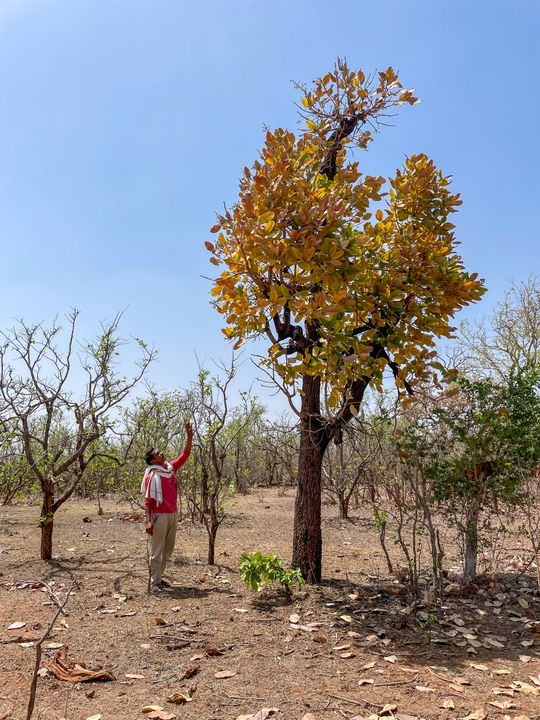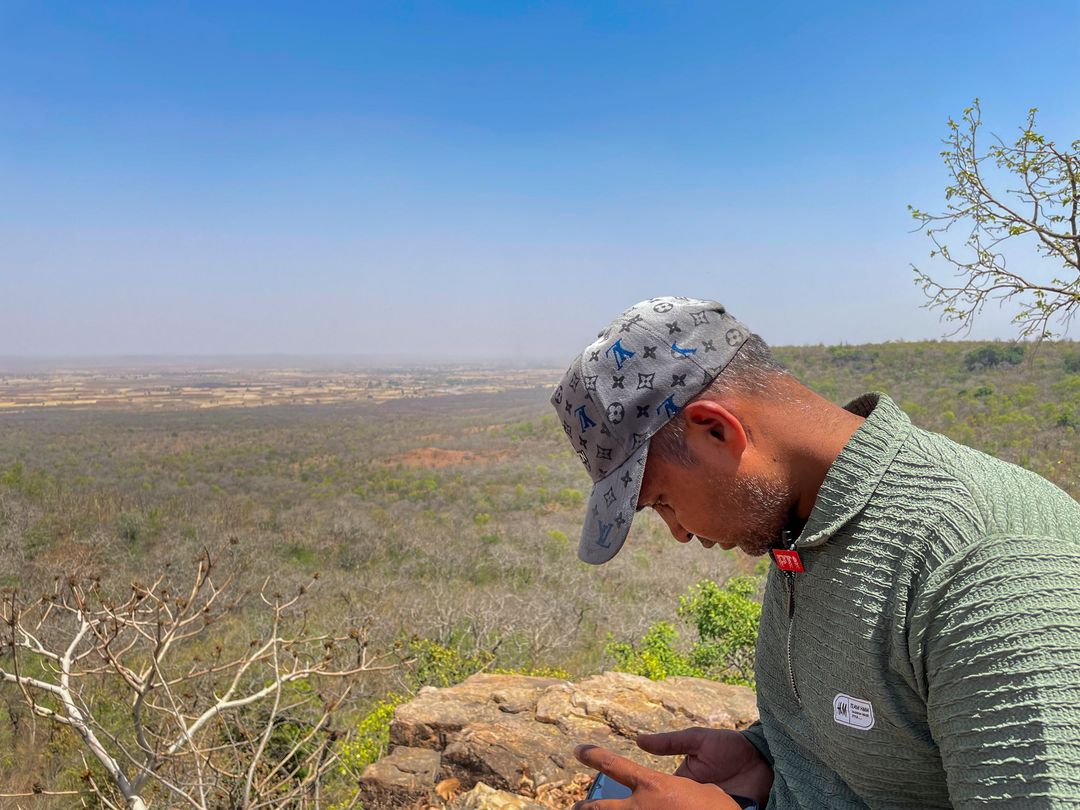
Baran, Rajasthan, May 11 – In the small village of Moondiyar, located near the ecologically-rich Shahbad forest in Rajasthan's Baran district, Ravi Sahariya, 26, sits quietly among a group of villagers at a local temple. Their focus is on one pressing concern: the proposed diversion of 408 hectares of the forest for a large-scale pumped-storage hydroelectric project. The project, which promises clean energy and job opportunities, is being led by Greenko Energies Private Limited and threatens to uproot the tribal and Dalit communities dependent on the forest for their livelihoods.
The Impact of the 1,800-Megawatt Hydro Project
The controversial 1,800-megawatt hydroelectric project, set to be developed near Mungawali village, will involve constructing two large reservoirs spanning a total of 624 hectares. While official plans indicate that only three villages—Kaloni, Mungawali, and Baint—are listed for land acquisition, the project will affect at least seven neighboring villages, including Moondiyar, home to hundreds of tribal and Dalit families. The project, which seeks to lift water from the Kuno river near Mungawali, has raised alarms among locals who fear that it could devastate their traditional way of life.A Forest-dependent Community at Risk
Moondiyar, with a population of around 2,500, is home to approximately 400 Sahariyas, a Particularly Vulnerable Tribal Group (PVTG). For generations, these families have relied on the Shahbad forest for resources such as mahua, amla, and other forest produce, alongside grazing cattle. Ravi, a farmer and forest gatherer, explains that his family's income primarily stems from selling forest products, contributing around Rs 40,000 annually out of his total earnings of Rs 50,000. The loss of access to the forest would force him to seek daily-wage labor in the city."If the jungle goes, we go," Ravi says, expressing the collective fear of displacement among the villagers. For Dalits and Sahariyas, the forest is more than a livelihood; it is their identity.
Concerns Over Land Sales and Acquisition Process
Despite claims by Greenko that no land is being acquired from Moondiyar, local villagers report that brokers are buying tribal land cheaply in anticipation of future price hikes. This practice raises legal concerns, as the Rajasthan Tenancy Act prohibits the sale of tribal land to non-tribals without prior approval from the district collector. The Right to Fair Compensation and Transparency in Land Acquisition Act, 2013, also mandates that the government intervene in land transactions related to large-scale projects. Baran District Collector Rohitashva Singh Tomar confirmed that no land acquisition proposal had been submitted by Greenko and that no permission had been granted for the transfer of tribal land.The forest rights of the affected villagers are another point of contention. Greenko's application to the Union Ministry of Environment claims that forest rights have been settled in the impacted villages, but many villagers are unaware of any formal recognition of their rights.
Potential Health and Socioeconomic Fallout
The destruction of the Shahbad forest would not only disrupt the livelihoods of these rural families but also exacerbate an already dire situation of malnutrition. The Sahariya community, in particular, faces high levels of food insecurity, as evidenced by a 2023 PTI report highlighting over 170 malnourished children in Baran's Shahbad-Kishanganj area. "No forest means no income. No income means no food. Malnutrition will rise," warns Laxman Singh Mehta, a farmer from Kaloni.The loss of forest resources could lead to increased migration and social instability. Researcher Bhargavi S. Rao draws parallels with the Pavagada solar park in Karnataka, where displaced people, primarily women, children, and the elderly, faced worsened nutritional security, leading to a rise in maternal mortality and infant deaths.
Environmental Concerns and Biodiversity Threats
The Shahbad forest is home to several endangered species, including leopards, sloth bears, wolves, and pythons. Locals also report sightings of a cheetah, possibly from Madhya Pradesh’s Kuno National Park. Greenko's project would involve the removal of over 1.19 lakh trees, including some over 100 years old, a decision that has drawn criticism from environmentalists.Water conservationist Rajendra Singh estimates that the number of felled trees could be much higher than the company claims, with reports indicating that trees are being cut even before final approval is granted. The Environmental Impact Assessment report for the project acknowledges that it could fragment the landscape, disturb biodiversity, and increase human-animal conflict.
Divided Opinions on the Project's Benefits
Not everyone in the affected villages is opposed to the project. Bhup Singh, a landowner within the project area, sees potential benefits, citing the need for jobs and development. "Our forest is already degraded. Maybe the project will help our children survive," he says. However, others like Manak Chand, 65, from Moondiyar, are skeptical, recalling past promises of employment that never materialized.For those like Neeraj Kashyap, a herder who depends on the forest to graze his 125 goats, the threat to the forest means a direct loss of food and livelihood. "If the company cuts the jungle and does not help us, we will starve," Kashyap laments.