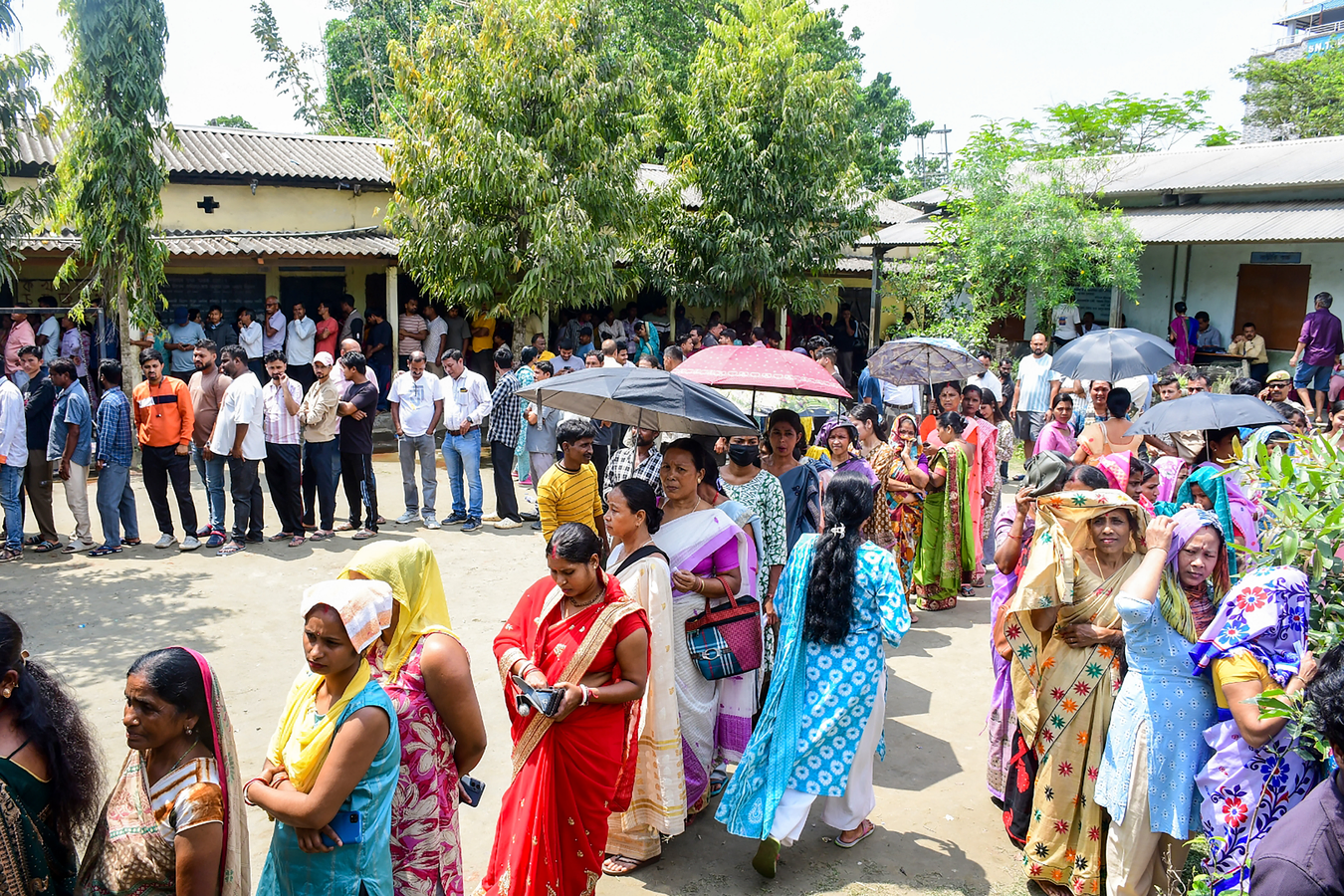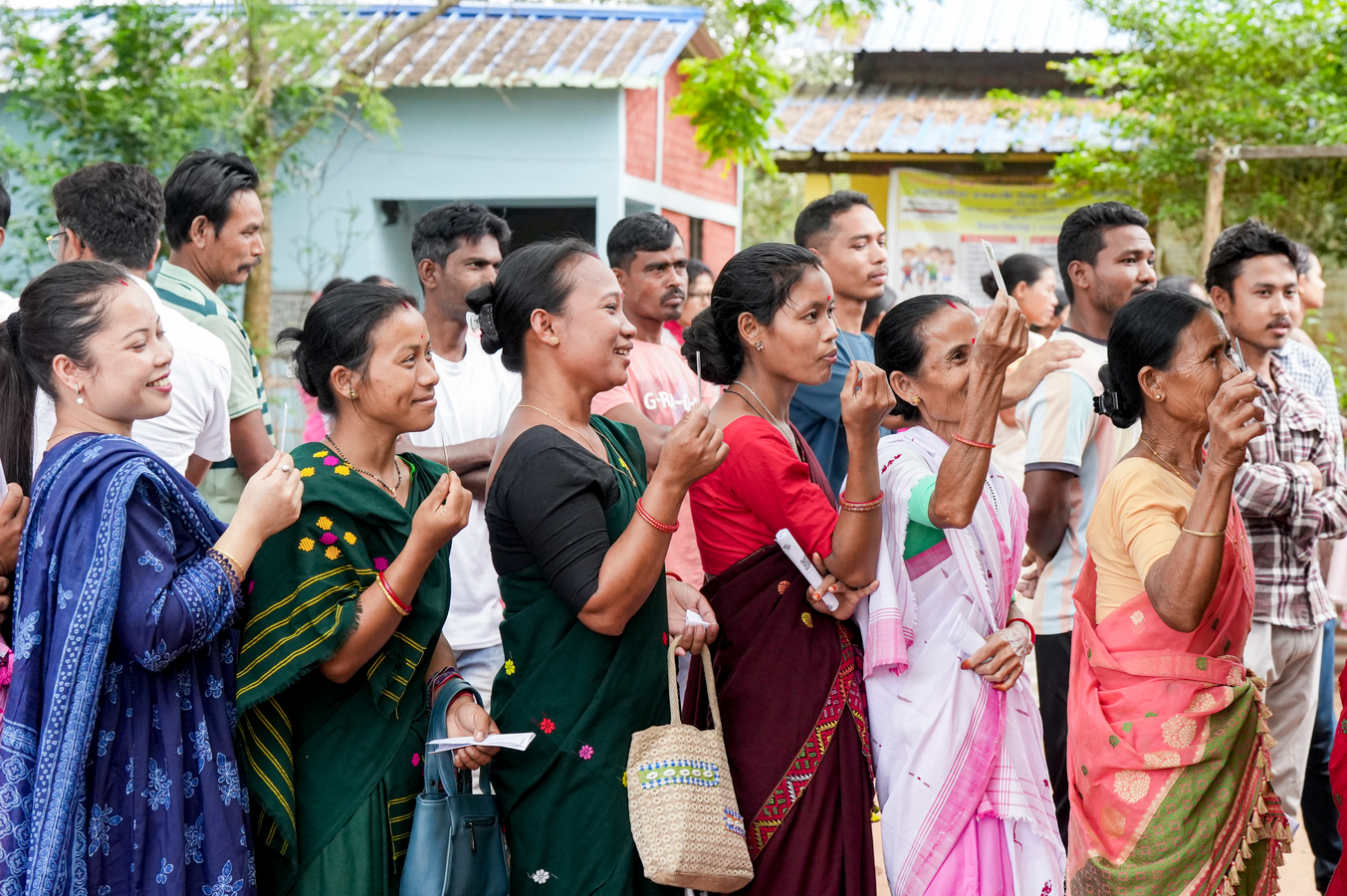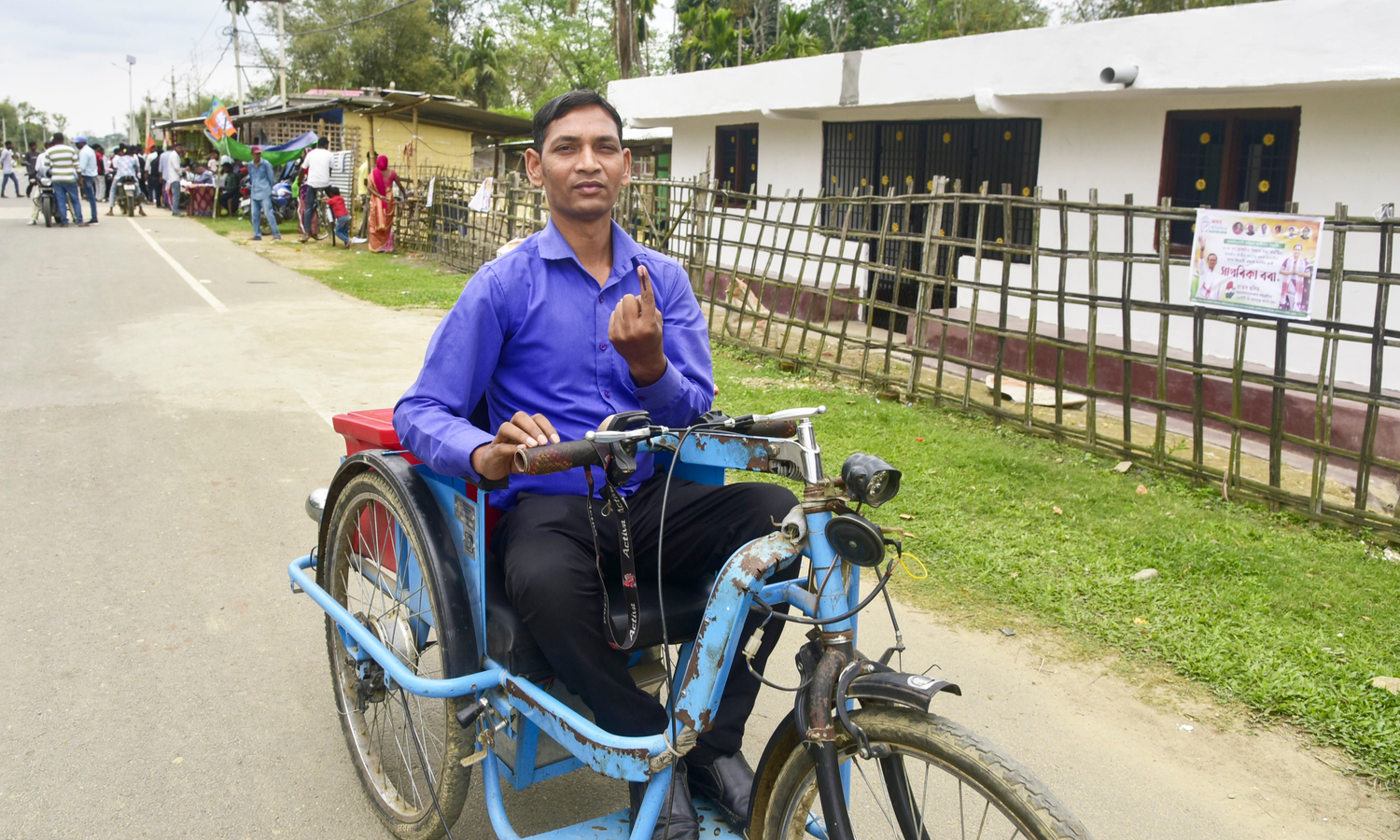
New Delhi, April 11 – The record voter turnout in the April 9 Assembly polls is attributed to several factors, with a similar outcome anticipated in Tamil Nadu and West Bengal at the end of April.
The Tamil Nadu Assembly elections will be held on April 23, while West Bengal will vote in two phases, on April 23 and 29. The latter is expected to see a particularly high turnout, given the state's historically high voter participation, especially in the last three decades, as reflected in the polling figures.
High voter turnout has typically occurred during periods of intense political competition. This contrasts sharply with the 1977 figure recorded by the Election Commission of India when West Bengal first elected the Left Front to power, which remained in power uninterrupted until 2011.
The state recorded a mere 56.15 per cent turnout in 1977, while the subsequent change in government, when the Trinamool Congress came to power, saw voter participation reach 84.33 per cent in 2011.
Mamata Banerjee led the Trinamool to victory, securing 184 seats, while the Congress won 42, leaving the Communist Party of India (Marxist) with approximately 40 seats, with other Left Front parties securing another 22.
However, this turnout was lower than the 84.52 per cent recorded by West Bengal in 2006, when the Trinamool appeared poised to unseat the communists, but failed to do so. The turnout was marginally higher, achieving a record of 84.52 per cent.
The Left-dominated government solidified its position, with the Communist Party of India (Marxist) winning 176 seats and its allies another 57. It was believed that Left cadres had mobilized the electorate to the fullest extent and prevented the predicted fall of the red bastion.
Notably, the voter turnout dropped from 82.94 per cent in 1996 to 75.29 per cent in 2001, leading to a four-seat reduction in the number of seats held by the Left Front in the Assembly. The largest constituent, the Communist Party of India (Marxist), also lost its simple majority for the first time, securing 143 seats.
Since the Trinamool assumed power in 2011, the voter turnout has continued to decline, from 84.33 per cent in 2016 to 83.02 per cent in 2021 and 82.32 per cent in 2021. However, the ruling party has successfully consolidated its position in the last two Assembly elections, increasing from 184 to 211 and then to 215.
Meanwhile, Assam and J&K recorded the highest voter turnout ever in Thursday's elections, at 85.91 and 89.87 per cent, respectively. Previously, the highest turnout in Assam was 84.67 per cent in the 2016 Assembly elections, and for J&K, it was 86.19 per cent in the 2011 state election.
In Kerala, where the turnout reached 78.27 per cent, it fell short of the highest-ever recorded in the 1960 Assembly election, which was 85.77 per cent. The state has also seen over 80 per cent turnout on two other occasions: once in the 1957 Lok Sabha elections (80.51 per cent) and once in the 1987 Assembly election (80.54 per cent). However, this year's turnout was the highest since the 1989 Lok Sabha election, which recorded 79.30 per cent voter participation.
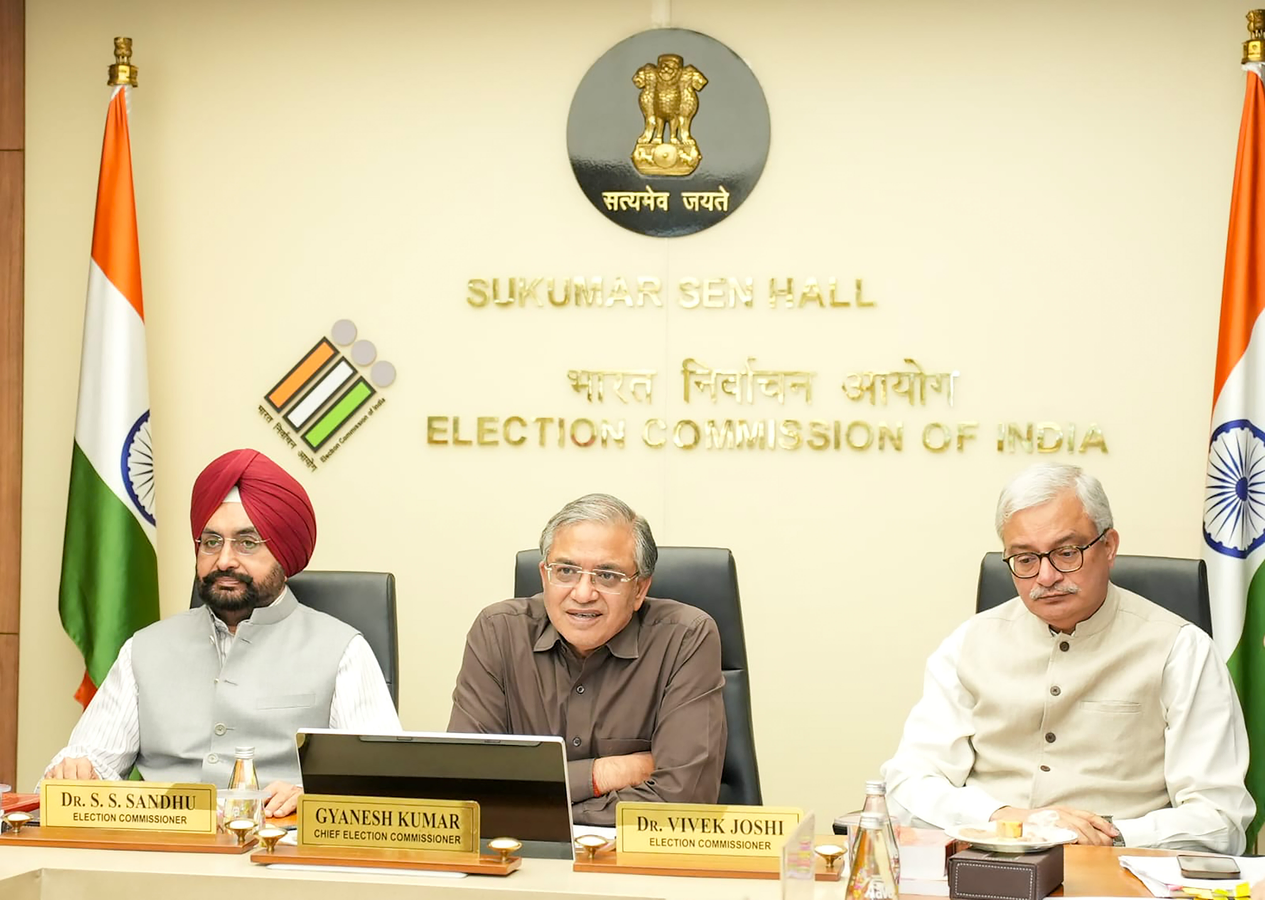
In West Bengal, the expected high voter turnout is attributed to both intense religious polarization and the Election Commission’s Special Intensive Revision of electoral rolls.
The ratio of voter turnout can be calculated as follows: if 100 out of a constituency’s 1,000 total electors vote, the numerator is 100, and the denominator is 1,000. This ratio indicates voter turnout.
West Bengal currently has approximately 6.77 crore electors, which is about 9 lakh fewer than the number of electors on the rolls before the Special Intensive Revision exercise began in October 2025.
This number is also lower than the 7.34 crore electors registered in the last Assembly election in 2021.
The results of the April polls in all four states and J&K will be announced on May 4.